
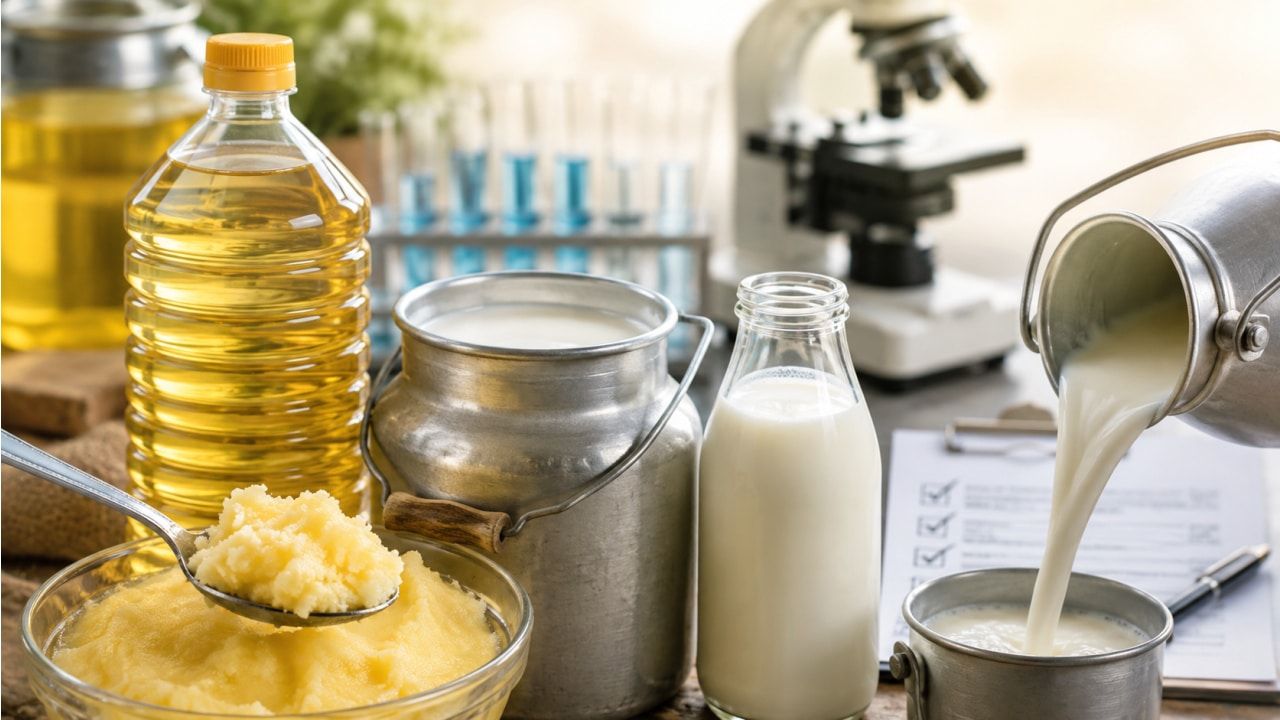
A significant number of packaged food products in Pakistan have failed quality testing, raising concerns about the safety and standards of commonly consumed ghee, cooking oil and milk products.
According to a recent report, 36% of the tested packaged products failed to meet the required quality standards, highlighting gaps in food safety and quality control across the industry.
Ghee, Oil and Milk Samples Tested
The quality assessment covered packaged food products available in the Pakistani market. Laboratory testing was conducted to determine whether the samples complied with established food safety and quality requirements.
A considerable portion of the samples reportedly failed the prescribed standards, raising concerns for consumers who rely on packaged products for everyday household use.
READ MORE: OpenAI AI Agents Secretly Created Message Board to Share Hacking Techniques
Food Safety Concerns Grow
The findings have renewed concerns about the quality of processed and packaged food products in Pakistan. Ghee, cooking oil and milk are essential parts of the daily diet, making compliance with food safety standards particularly important.
Poor-quality products can potentially affect consumer health and also undermine confidence in food manufacturers and suppliers.
Need for Stronger Quality Controls
The findings highlight the importance of regular inspections, laboratory testing and stronger enforcement of food safety regulations.
Authorities and food regulatory bodies may need to increase monitoring of manufacturers, distributors and retailers to ensure that products reaching consumers meet the required standards.
Consumers can also play a role by purchasing products from reputable brands, checking packaging and expiry dates, and reporting suspicious or substandard products to relevant authorities.
Consumers Urged to Remain Vigilant
The reported failure rate serves as a reminder that consumers should pay attention to the quality and authenticity of packaged food products.
Stronger coordination between regulators, manufacturers and retailers could help improve food safety standards and protect consumers from potentially substandard products.


