
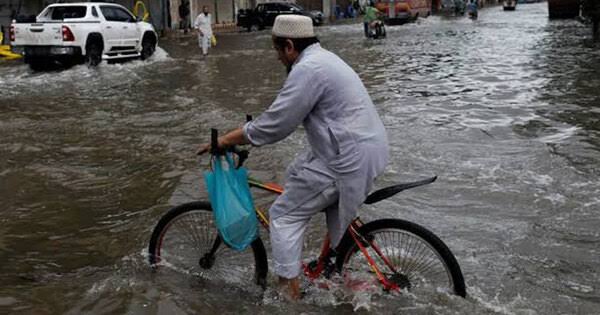
Diseases after rain in Rawalpindi and Islamabad have become a growing concern as stagnant, sewage-contaminated floodwater receded from several low-lying neighbourhoods following days of heavy monsoon rainfall. Residents have reported foul smells, accumulated waste, dead animals and illnesses affecting the eyes, throat and stomach.
Floodwater Leaves Behind Waste and Contamination
Heavy rainfall over the past three days caused flooding across several low-lying areas of the twin cities. Although the water has now receded from many streets, homes and roads, it has left behind layers of dirty mud, sand, garbage and other hazardous material.
Residents have also reported finding dead rats, cats and insects in streets, vacant plots and open areas. Waste carried by floodwater from storm drains, houses, shops and hospitals has further worsened sanitation conditions.
The combination of stagnant water, sewage and decomposing waste has created an environment where health risks can increase rapidly.
Residents Report Health Problems
According to residents, the poor sanitation conditions have already been accompanied by various health complaints.
Eye, stomach and throat-related illnesses have reportedly emerged in affected communities, while the foul smell from accumulated waste and contaminated mud has made living conditions increasingly difficult.
Health risks can become particularly serious when floodwater mixes with sewage and remains stagnant for extended periods.
READ MORE: YouTube Offers Millions to Creators in Battle Against Netflix
Cleanup Operations Remain a Major Concern
Residents have complained that government sanitation and rescue teams have not reached several affected neighbourhoods despite the flooding.
In some locations, residents have begun cleaning the streets outside their homes themselves and removing dead animals and waste.
The Citizen Action Committee has demanded immediate cleaning operations and pesticide spraying in affected areas. Residents have also warned that they may stage further protests if sanitation authorities fail to respond.
Several Areas Reportedly Affected
Residents from several Rawalpindi neighbourhoods have raised concerns about the post-flood conditions.
Reportedly affected areas include:
- Dhoke Khabba
- Sadiqabad
- Arya Mohalla
- Dhoke Ilahi Bakhsh
- Qasimabad
- Millat Colony
- Fazalabad
- Peoples Colony
- Shalay Valley
- Fauji Colony
- Dhoke Hasu
- Sharon Colony
- Dhoke Syedan
- Girja Road
Residents of Chah Sultan, Amirpura and Millat Colony also reported that floodwater remained in their communities for several days.
Flooding Increases Public Health Risks
Flooding can create several public-health challenges, particularly when water becomes contaminated with sewage and garbage.
Pakistan’s Meteorological Department has previously warned that heavy rainfall and high humidity can increase the risk of vector-borne diseases such as dengue, while urban flooding remains a concern in low-lying parts of major cities.
The presence of standing water can also provide favourable conditions for mosquitoes and other disease-carrying insects.
Residents Demand Immediate Action
The affected communities are now calling for coordinated action from local authorities, including the Water and Sanitation Agency (WASA), Municipal Corporation, rescue services and sanitation teams.
Residents want contaminated mud and garbage removed from streets and vacant plots, while pesticide and disinfectant spraying has also been requested in areas where stagnant water and waste remain.
The demand is particularly urgent because further rainfall could spread contaminated material again and create new pockets of stagnant water.
More Rain Could Worsen the Situation
The situation could become more challenging if additional heavy rainfall hits the twin cities before cleanup operations are completed.
Rainwater flowing through already contaminated areas could redistribute sewage, garbage and other hazardous material. It could also cause fresh flooding in low-lying neighbourhoods.
The Pakistan Meteorological Department has warned about the possibility of urban flooding in low-lying areas during periods of intense rainfall, highlighting the vulnerability of cities such as Islamabad and Rawalpindi.
Need for Faster Post-Flood Response
The latest situation highlights that flood management does not end when the water disappears.
Effective post-flood response requires rapid removal of contaminated material, disinfection of affected locations, safe disposal of dead animals, clearing of blocked drains and monitoring of potential disease outbreaks.
Local administrations also need to ensure that vulnerable communities receive timely assistance rather than being left to clean contaminated areas themselves.
A Growing Urban Challenge
The problems reported in Rawalpindi and Islamabad demonstrate how heavy monsoon rainfall can quickly turn into a public-health challenge when drainage and sanitation systems are overwhelmed.
While emergency measures are important, long-term solutions will require better drainage infrastructure, improved waste management, regular cleaning of storm drains and stronger coordination between municipal and emergency agencies.
For residents of affected areas, the immediate priority is clear: clean the contaminated streets, remove hazardous waste and prevent the spread of disease before the next spell of rain arrives.


