
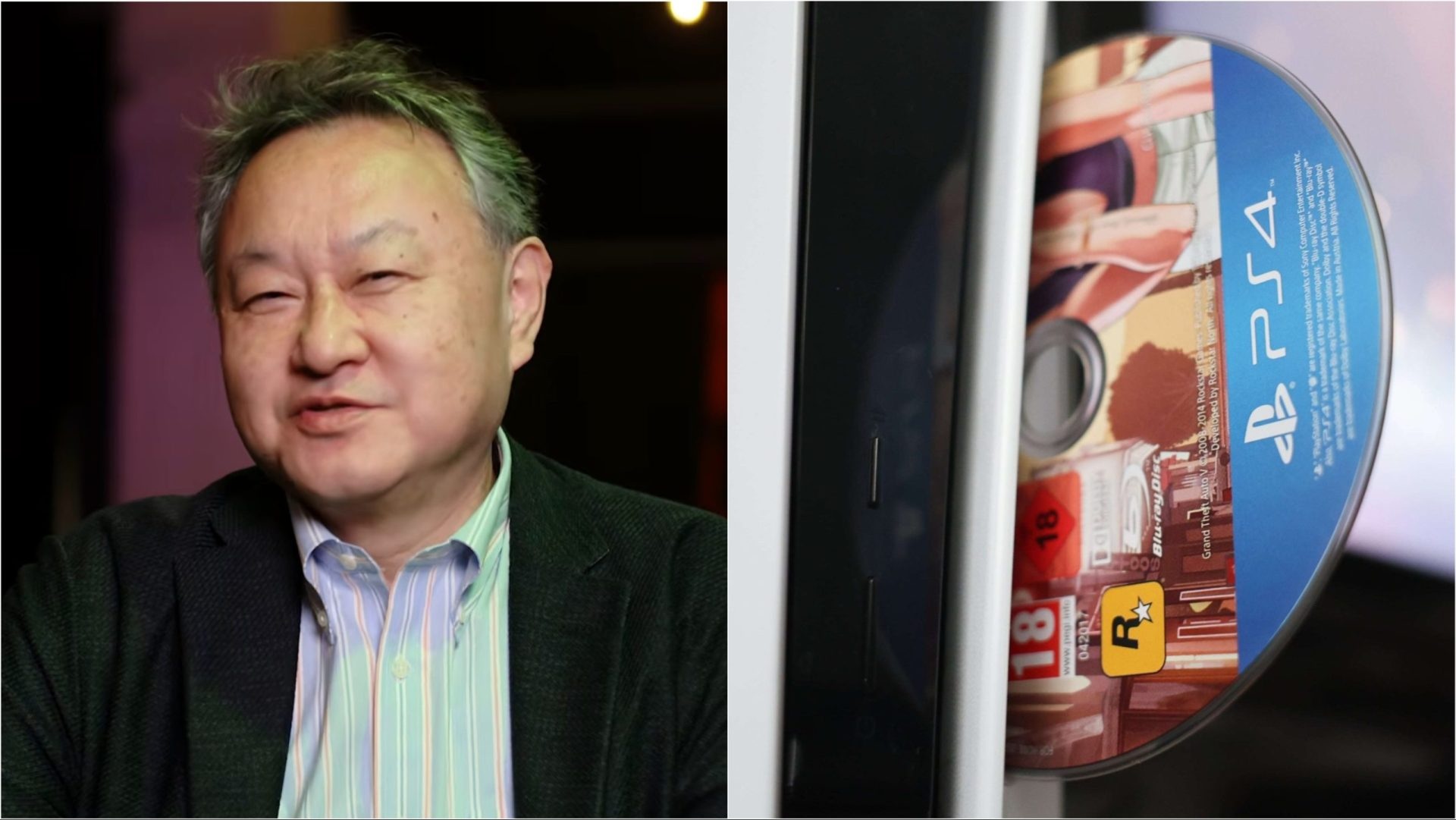
Former PlayStation executive Shuhei Yoshida has voiced support for the gaming industry’s shift toward a digital and discless future, while acknowledging that the move could have a significant impact on the market for used physical games.
Yoshida, who spent more than three decades at Sony and PlayStation, retired from Sony Interactive Entertainment in January 2025.
Sony Plans to Move Away From Game Discs
Sony has announced plans to stop producing physical discs for newly released PlayStation games from January 2028. Games released on disc before that point will continue to exist, but the company is preparing for a future in which digital distribution becomes the primary way players purchase games.
The decision has generated considerable debate among PlayStation fans, particularly those who value physical ownership, collecting games and buying titles through the second-hand market.
Yoshida Sees Digital Gaming as the Natural Next Step
Yoshida believes the industry’s transition away from physical media is a logical development as consumer purchasing habits continue to change.
Digital games offer publishers and platform holders advantages including simpler distribution, immediate availability and the elimination of manufacturing and shipping costs. However, the shift also changes how consumers own and access their game libraries.
Used Games Could Take the Biggest Hit
While Yoshida supports the industry’s move toward digital distribution, he recognizes that physical game retailers and the used-game market could be among the biggest losers.
Physical copies can be resold, traded or purchased at discounted prices through second-hand retailers. Digital purchases generally do not provide the same resale options.
The disappearance of physical releases would therefore reduce consumer choice and could make it more difficult for players to access older games through the traditional used market.
A Major Change for PlayStation Players
Sony’s decision represents a significant change from PlayStation’s earlier position on physical games. During the PS4 era, Sony famously promoted the ability to share physical games as an advantage over Microsoft’s approach to the Xbox One.
Today, however, digital purchases account for a major part of the console gaming business, and Sony is preparing its platform for an increasingly digital ecosystem.
READ MORE: Google Officially Opens Pakistan Office, Signaling Deeper Commitment to Digital Economy
Convenience vs. Ownership
The move toward a discless PlayStation ecosystem offers clear benefits. Players can purchase and download games instantly without visiting a retailer, while publishers can distribute titles globally without relying on physical manufacturing and logistics.
At the same time, critics argue that physical copies provide consumers with greater control over their purchases and preserve access to games even when digital storefronts change.
Recent criticism of Sony’s decision has highlighted concerns about pricing, resale rights and long-term game preservation.
The Future of PlayStation Gaming
Shuhei Yoshida’s comments highlight the complicated transition facing the gaming industry. While digital distribution is becoming increasingly dominant, the disappearance of physical games could fundamentally change how players buy, share, resell and preserve their collections.
With Sony targeting 2028 for the end of physical game disc production, PlayStation is moving toward a future where digital ownership and online distribution will play an even greater role in the gaming experience.


