A major intelligence revelation suggests that compromised surveillance systems in Tehran were used to monitor and track high-profile individuals, raising serious concerns about cybersecurity and modern warfare tactics.
Covert Surveillance Breach Enabled Precision Targeting
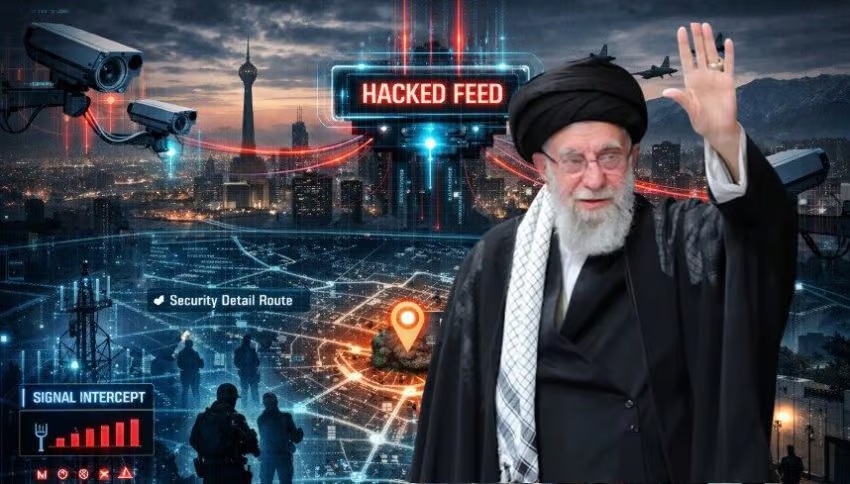
According to emerging reports, intelligence operatives linked to Israel allegedly exploited hacked CCTV cameras across Tehran. These systems—originally installed for public safety—were turned into real-time intelligence tools.
By accessing live feeds, attackers were able to monitor movement patterns, identify routes, and gather actionable data on key individuals. This level of surveillance allowed for highly precise targeting in a coordinated operation.
READ MORE: US Confirms Three Soldiers Killed, Five Wounded in Iran Conflict
Connection to High-Profile Assassination
The breach is believed to be linked to the assassination of Ali Khamenei, a major geopolitical event that has intensified tensions across the region. Intelligence support is widely speculated to involve agencies such as the CIA and Mossad, reflecting the complexity and scale of the operation.
Cyber Warfare Meets Real-World Conflict
This incident highlights how cyber warfare is now deeply integrated into modern military strategy. By exploiting digital infrastructure, hostile actors can:
- Track individuals in real time
- Analyze behavioral patterns
- Execute highly targeted strikes
Experts warn that urban surveillance systems, if not properly secured, can become powerful intelligence assets in conflicts.
Growing Risks for Smart Cities
The use of hacked cameras in Tehran underscores a broader global risk. As cities become more connected, their infrastructure becomes more vulnerable to cyber intrusions.
This case serves as a stark reminder that future conflicts may increasingly rely on digital breaches as much as physical force—reshaping the landscape of global security.