
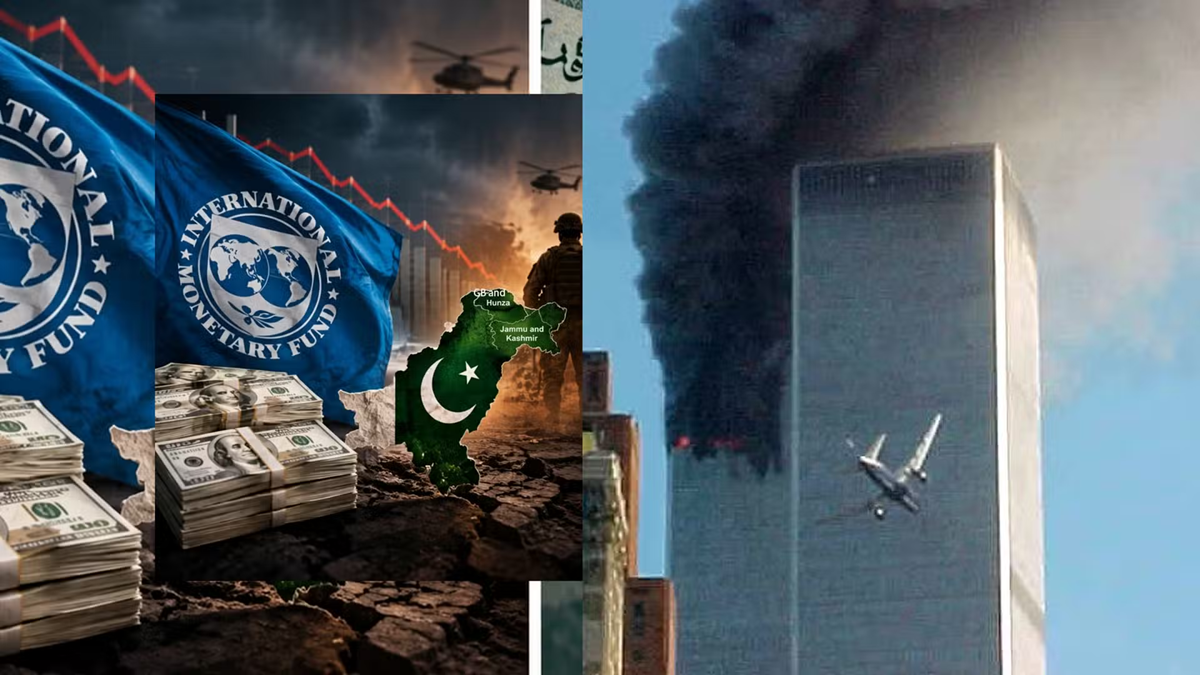
Former Economic Adviser to the Ministry of Finance, Dr. Ashfaque Hassan Khan, has stated that strict structural adjustment programs enforced by the International Monetary Fund (IMF) have cost Pakistan approximately $148 billion over a five-year period.
According to the veteran economist, this cumulative economic loss significantly exceeds the total financial damage Pakistan sustained during its participation in the global War on Terror following the September 11 attacks.
Supply-Side Inflation vs. Aggressive Monetary Tightening
Addressing the core flaws in IMF-mandated policy frameworks, Dr. Ashfaque emphasized that the structural inflation affecting Pakistan is predominantly supply-side, driven by rising energy tariffs, indirect taxes, and currency devaluations.
Key criticisms raised regarding the current economic trajectory include:
-
Ineffective Interest Rate Hikes: High policy interest rates aimed at curbing demand-side inflation fail to address cost-push factors, ultimately suppressing domestic industrial growth.
-
Debt Servicing Strain: Aggressive monetary tightening significantly inflates the federal government’s domestic debt servicing costs, consuming a major share of national revenue.
-
Fiscal Contraction: Dictated fiscal cutbacks and revenue targets prioritize short-term stabilization over productive capital expenditure and long-term industrialization.
READ MORE: National CERT Issues Warning Over Cybersecurity Risks of Unauthorized AI Use
Rerouting Pakistan’s Macroeconomic Strategy
Dr. Ashfaque advocated for a fundamental shift in Pakistan’s engagement with multilateral lenders, urging policymakers to prioritize supply-side reforms, domestic productivity enhancements, and targeted relief for industrial sectors to break the continuous cycle of bailouts.


