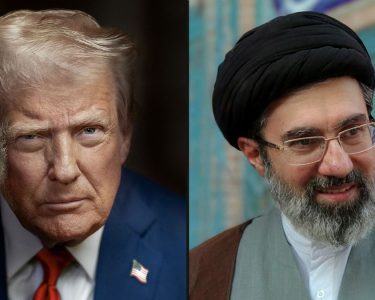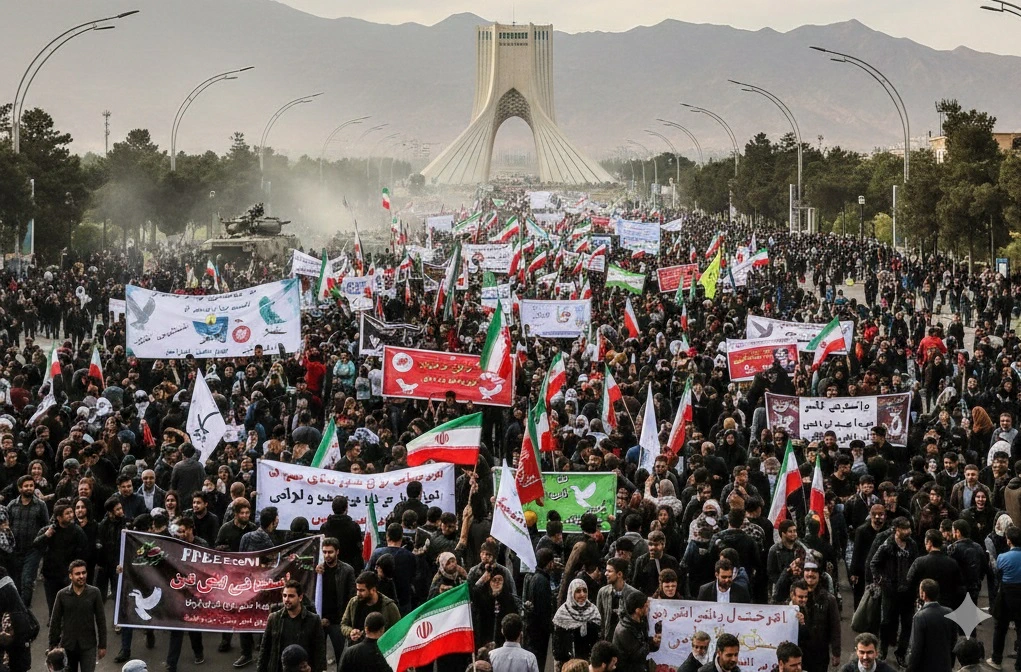
Tensions between the United States and Iran have escalated amid widespread protests in Tehran and ongoing internet shutdowns across the country. US President Donald Trump has repeatedly warned Iranian authorities against using force on demonstrators and indicated that the United States is prepared to provide assistance if needed. While reviewing new military options, Trump has yet to make a final decision but is reportedly seriously considering the approval of a limited strike.
The protests, which began on December 28 with a strike by Tehran’s market traders over falling currency value and declining purchasing power, have now grown into large-scale political demonstrations. Human rights organizations have expressed concern that the Iranian government may respond with harsh measures to suppress the unrest. These demonstrations are among the largest challenges to the Islamic Republic since its founding and the most significant since the 2022–2023 protests following the death of Mahsa Amini.
Also Read: UN Condemns US Airstrikes on Iran’s Nuclear Sites, World Leaders Urge Restraint
These protests come in the aftermath of a 12-day conflict with Israel in June, during which Iran’s nuclear and military infrastructure sustained damage, and civilian areas were affected. During that period, the United States carried out airstrikes on some critical Iranian nuclear sites. Observers caution that the ongoing unrest, combined with potential military options under consideration by the US, could heighten regional tensions if not carefully managed.
As the situation develops, global attention remains focused on Tehran, where demonstrators continue to voice economic and political grievances, and Iranian authorities maintain tight control over the flow of information. Analysts warn that the outcome of these protests may have far-reaching consequences for both domestic stability in Iran and broader Middle Eastern geopolitics.