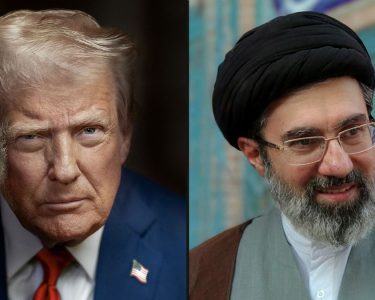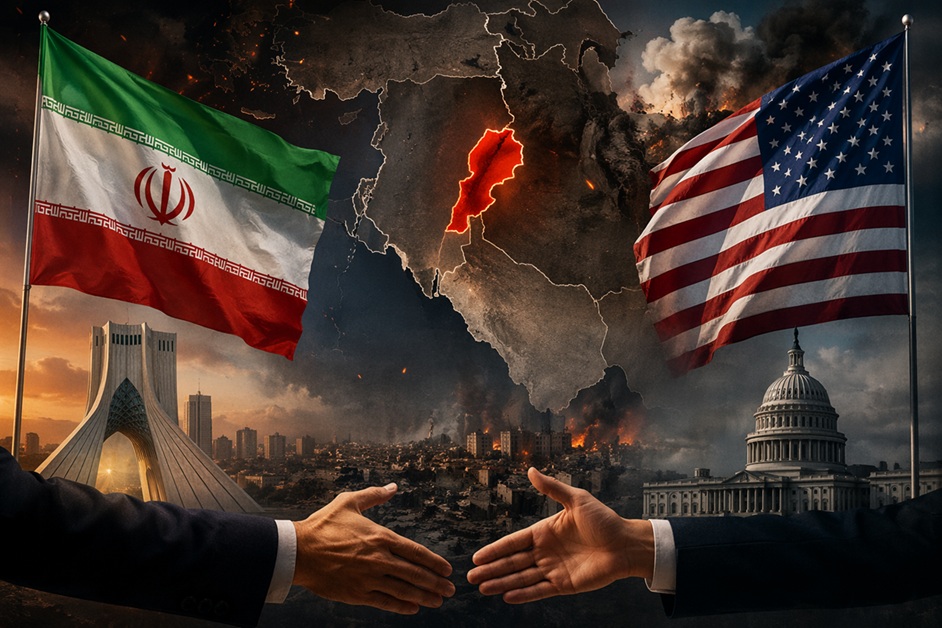
The Iran US war talks in Islamabad have entered a tense phase, with both sides struggling to reach a breakthrough despite marathon negotiations aimed at ending weeks of conflict.
These high-level discussions, described as the most significant direct engagement in decades, have highlighted deep divisions over nuclear policy, sanctions, and regional control.
No Breakthrough After Marathon Negotiations
After nearly 20+ hours of continuous dialogue, negotiators failed to secure a comprehensive agreement, raising concerns over the future of the fragile ceasefire.
US officials, led by Vice President J.D. Vance, accused Iran of rejecting key proposals, particularly commitments related to abandoning nuclear weapons ambitions. Meanwhile, Iranian representatives countered that Washington’s demands were excessive and unrealistic.
The Iran US war talks have therefore reached a critical impasse, with both sides maintaining firm positions.
Key Disputes: Nuclear Program and Sanctions
One of the central sticking points in the Iran US war talks remains Iran’s nuclear program. The United States is pushing for strict limitations, while Iran insists on maintaining its sovereign rights.
Sanctions relief is another major hurdle. Tehran has demanded the lifting of economic restrictions and access to frozen assets, while Washington seeks broader concessions in return.
These disagreements have significantly slowed progress, despite ongoing diplomatic engagement.
Strait of Hormuz Adds Strategic Tension
The Iran US war talks are further complicated by disputes over the strategically vital Strait of Hormuz, a key global oil transit route.
Iran has sought control and potential transit conditions over the waterway, while the United States insists on ensuring free navigation for international trade.
Recent US naval movements through the strait have also heightened tensions, with Iran warning of possible retaliation if its sovereignty is challenged.
Fragile Ceasefire Under Threat
The talks follow a temporary ceasefire reached earlier in April 2026, which has so far prevented further large-scale escalation. However, continued hostilities in regions such as Lebanon threaten to undermine diplomatic efforts.
Analysts warn that failure in the Iran US war talks could lead to renewed conflict, further destabilizing the region.
Also Read:
Iranian Negotiators Meet Pakistani PM in Islamabad to Discuss Regional Cooperation
Global Implications and Uncertain Path Ahead
The outcome of the Iran US war talks carries significant global implications, particularly for energy markets and geopolitical stability.
With Pakistan mediating the discussions, the Islamabad talks have become a focal point of international diplomacy. However, the lack of consensus suggests that further rounds of negotiations will be necessary.
Conclusion
The Iran US war talks remain at a delicate crossroads. While both sides have shown willingness to engage, fundamental disagreements continue to block progress.
As tensions persist and deadlines loom, the world watches closely to see whether diplomacy can overcome deep-rooted mistrust—or whether the conflict will escalate once again.