
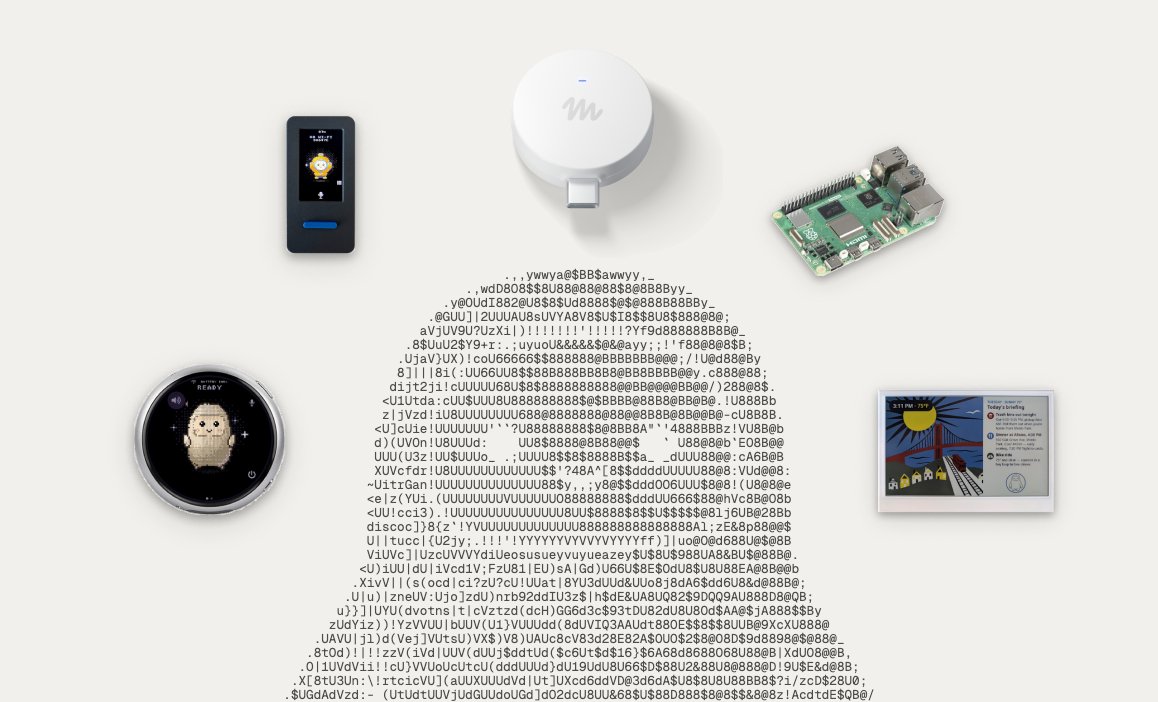
Meta is expanding its Muse AI ecosystem beyond smartphones and computers with a new open-source project called Muse Gadgets. The initiative allows developers and technology enthusiasts to build their own hardware devices that can connect with Meta’s personal AI agent.
Alongside the project, Meta has introduced its own device, called Muse Home Link, designed to connect Muse with smart-home devices.
What Is Meta Muse Gadgets?
Muse Gadgets is an open-source hardware project that gives developers tools to connect Meta’s Muse AI agent with physical devices.
Meta has released firmware and software development kits for platforms including ESP32 boards and Linux-based computers such as Raspberry Pi. These can be connected to displays, buttons, sensors, speakers and other components.
The company has also suggested several possible projects, including an E Ink display for daily information, a small touchscreen device and an HDMI-based gadget for interacting with Muse through a television.
Meta Introduces Muse Home Link
Meta has also built its own hardware example called Muse Home Link.
The small USB-C-powered device allows Muse to connect to a user’s home network and communicate with compatible smart-home devices, including TVs and speakers. Depending on the connected setup, Muse can potentially perform actions such as controlling lights or televisions.
Meta produced 5,000 Home Link units and is offering them free to eligible Muse subscribers in the United States while supplies last. The devices are being distributed on a first-come, first-served basis.
READ MORE: Nothing Opens Applications for Users to Test Upcoming Products Before Launch
Developers Can Build Their Own Muse Devices
The open-source approach gives developers considerable flexibility in deciding how Muse interacts with the physical world.
For example, a Raspberry Pi could be used to create a custom Muse device, while an ESP32 board could connect the AI agent to buttons, sensors or displays.
Meta has also created a Discord community where developers can share projects and experiment with the platform.
Meta Is Expanding Muse Beyond an AI Assistant
Muse was introduced by Meta as a personal AI agent capable of carrying out tasks rather than simply responding to questions. It can work across connected services and perform actions such as sending emails, booking travel and making purchases.
The new Muse Gadgets initiative could give the AI agent a physical presence in homes and other environments.
Rather than limiting Muse to a dedicated app or Meta hardware, the project allows developers to experiment with different types of devices and use cases.
A New Direction for AI Hardware
Meta’s latest move shows how the company is exploring ways to make AI agents interact with the physical world.
With open-source tools, third-party hardware and the new Muse Home Link, developers can experiment with customized AI-powered devices without waiting for Meta to manufacture every possible product.
For technology enthusiasts, the project could create a new range of DIY devices built around Meta’s Muse ecosystem.


