
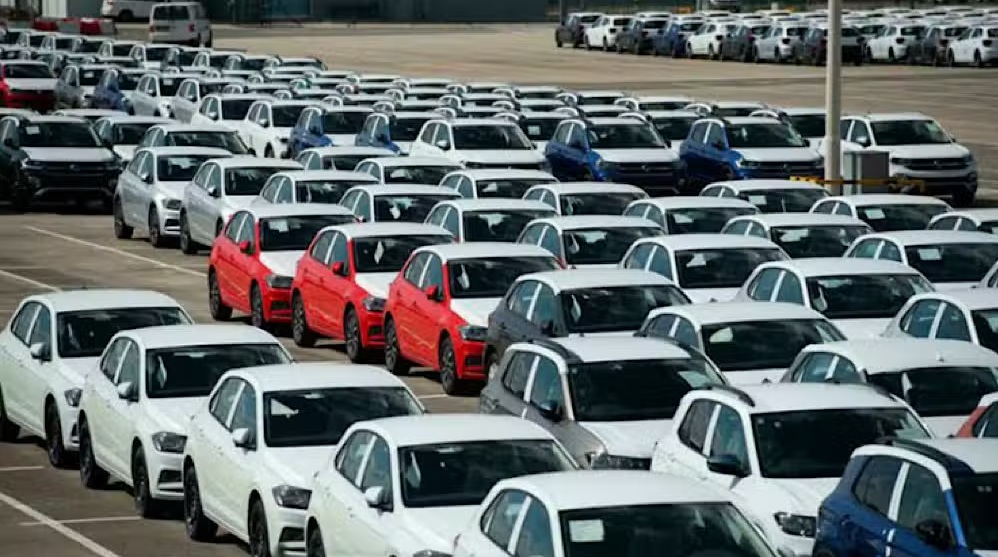
Imported vehicle prices in Pakistan are changing from July 1 as new tax measures introduced under the federal budget take effect, making some vehicles more affordable while increasing the cost of others.
The Federal Board of Revenue (FBR) has started implementing revised duties and taxes on imported vehicles. Under the new framework, import tariffs have been reduced for several vehicle categories, particularly those with engine capacities between 800cc and 2,000cc. These reductions are expected to lower the overall cost of many imported cars and improve affordability for buyers.
However, not all vehicles will benefit from the revised policy. Luxury imported petrol vehicles with engine capacities above 2,000cc, along with high-value electric vehicles, are now subject to a newly introduced Special Excise Duty (SED). As a result, buyers in the premium segment can expect higher prices starting today.
READ MORE: US Restores Global Access to Anthropic’s Claude Fable 5 AI Model
The government’s objective is to encourage greater competition in the automotive market while aligning Pakistan’s import policies with broader economic reforms. Industry analysts believe the reduced duties on mid-range imported vehicles could offer consumers more choices, although the final retail prices will still depend on exchange rates, shipping costs, and dealership margins.
Car importers and dealers are now updating their pricing structures to reflect the latest tax regime. Buyers planning to purchase imported vehicles are advised to confirm the revised prices with authorized importers, as the impact will vary depending on the vehicle’s engine size, value, and import category.
The latest policy marks one of the biggest shifts in Pakistan’s automotive taxation in recent years, bringing lower costs for many mainstream imported vehicles while imposing additional taxes on luxury models.


