
Pakistan’s exporters have urged the government to address rising energy prices, higher freight charges, taxation and delayed tax refunds, warning that mounting business costs are making it harder for local companies to compete in international markets.
The concerns were raised during consultations chaired by Federal Commerce Minister Jam Kamal Khan at the Ministry of Commerce, where exporters, industrialists and government officials discussed barriers affecting export growth.
According to the ministry’s October 21 statement, participants highlighted higher energy costs, the captive power gas levy, provincial infrastructure levies, international shipping delays, tax refunds and banking regulations as major challenges for export-oriented businesses.
Business representatives also called for improved access to international markets and more competitive trade arrangements to help Pakistani products compete with goods from regional rivals, including India and Bangladesh.
Energy and production costs under pressure
Exporters said rising energy prices and additional levies were increasing the cost of manufacturing, affecting industries that depend on reliable and competitively priced electricity and gas.
The discussions covered the captive power gas levy, provincial infrastructure charges and other expenses affecting industrial production. Petroleum Division officials provided explanations of the gas levy mechanism, while exporters called for practical measures to address the financial burden.
Higher production costs can make it more difficult for Pakistani manufacturers to offer competitive prices to overseas buyers. Businesses may have to absorb the additional expenses through lower profit margins or pass some of the costs on to customers, potentially making their products less competitive.
However, the extent of the impact varies by industry, product and export destination. The consultations did not establish a single quantified estimate of the overall financial losses caused by these costs.
READ MORE: Yemen’s Taiz Faces Worsening Humanitarian Crisis as Fighting Cuts Off Essential Supplies
Freight delays and tax refunds add to difficulties
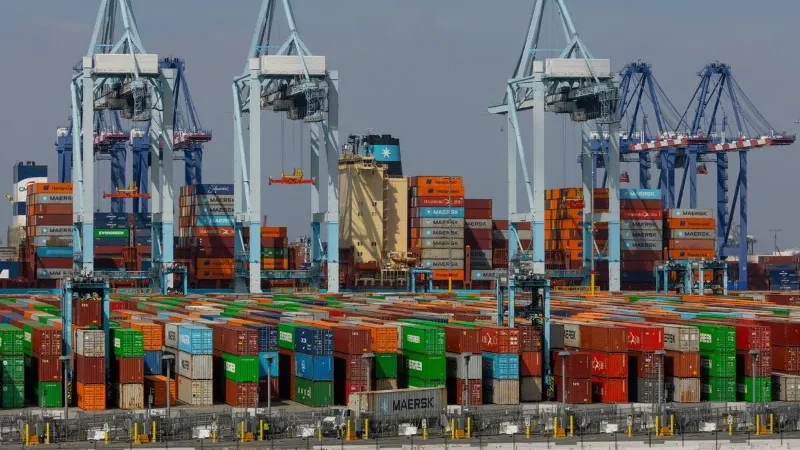
Exporters also raised concerns about international shipping delays, port facilitation and banking restrictions affecting cross-border payments.
Businesses called for greater flexibility in payment-settlement periods to accommodate disruptions in global logistics. Delayed tax refunds were another concern, as outstanding payments can tie up working capital that companies need to purchase raw materials, pay workers and fulfil export orders.
The Federal Board of Revenue briefed participants on measures related to tax-refund processing and digital invoicing. The meeting also covered business visas, international compliance requirements and other administrative barriers affecting exporters.
The discussions reflect a range of issues facing the export sector, although the government has not yet announced that every concern raised will result in a policy change.
Exporters seek better access to international markets
Participants urged the government to explore improved bilateral trade arrangements and identify markets where Pakistani goods could gain better access.
The consultation also examined opportunities to diversify exports, promote value-added products and expand into new markets.
Representatives from the meat and livestock sector highlighted challenges involving foot-and-mouth disease, sanitary requirements, border restrictions and access to Gulf markets. Mineral exporters raised concerns about restrictions on mining explosives and withholding taxes, while representatives of the surgical instruments industry called for technological upgrading, skilled workers and greater industrial investment.
These sector-specific concerns underline that improving exports will require more than one measure. Energy pricing, financing, logistics, standards compliance and access to overseas markets can all affect a company’s ability to secure and fulfil international orders.
Government says recommendations will be developed
Commerce Minister Jam Kamal Khan said the government was engaging directly with industry stakeholders to identify practical solutions and remove structural barriers affecting export competitiveness.
The Ministry of Commerce said it would consolidate the issues raised by exporters, obtain responses from relevant departments and prepare recommendations for consideration by the prime minister.
Participants also welcomed the Export-Import Bank of Pakistan’s financing scheme, describing it as a positive initiative for businesses seeking to expand internationally.
However, the consultations and preparation of recommendations should not be confused with the implementation of new relief measures. Any changes to energy charges, taxation, financing arrangements or trade agreements will need to be confirmed through subsequent official decisions.
What this means for Pakistan’s economy
Exports are an important source of foreign exchange, employment and industrial activity. If Pakistani firms struggle to compete on price, delivery times or product quality, the country could face difficulties retaining overseas customers and attracting new orders.
At the same time, the actual performance of the export sector must be assessed using official trade data rather than industry warnings alone.
The next important indicators will include monthly export figures, the implementation of announced financing schemes, the resolution of outstanding tax refunds and any concrete government decisions on energy costs and market access.
NetMag assessment: Exporters have raised documented concerns about rising costs and administrative barriers, and the Ministry of Commerce has acknowledged the issues. The government has not yet demonstrated that all proposed remedies have been implemented. NetMag will track any formal policy decisions and subsequent export data.


