
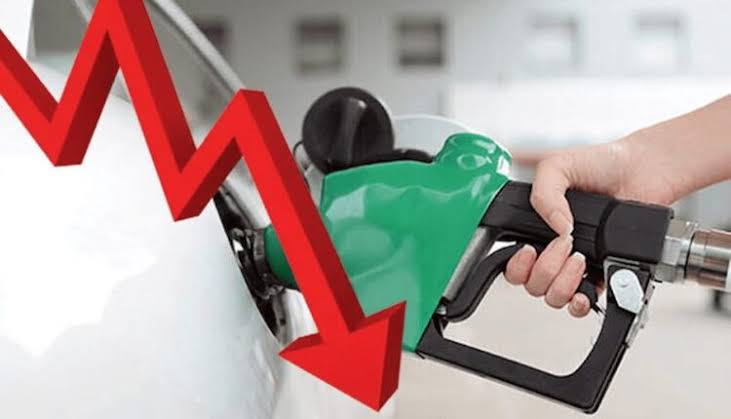
The federal government has once again increased the prices of petrol and high-speed diesel (HSD), adding to the financial pressure on consumers and businesses already dealing with elevated transportation and living costs. Under the latest revision, petrol has gone up by Rs. 5.77 per litre to Rs. 331.20, while the price of high-speed diesel has increased by Rs. 6.47 to Rs. 390.42 per litre.
The latest increase reflects continued pressure from international oil markets and comes after several fuel-price adjustments in recent weeks. The government has been operating under a more frequent fuel-pricing mechanism, allowing domestic rates to respond more quickly to changes in global oil prices.
New Petrol and Diesel Prices
Following the latest revision:
- Petrol: Rs. 331.20 per litre — up Rs. 5.77
- High-Speed Diesel: Rs. 390.42 per litre — up Rs. 6.47
The revised rates are applicable from August 18, 2026, according to the latest government notification.
READ MORE: Trump Welcomes Makkah Defense Pact Between Pakistan, Saudi Arabia and Türkiye
Another Blow to Consumers
The increase is likely to affect household budgets as well as operating costs for businesses that rely heavily on fuel. Higher diesel prices can have a particularly broad impact because diesel is widely used by commercial transport, agriculture, logistics and other sectors.
Any sustained rise in transportation costs can also feed into the prices of food and other essential goods as suppliers pass higher fuel expenses through the distribution chain.
The latest hike follows another increase announced on August 13, when petrol rose by Rs. 0.45 per litre and diesel increased by Rs. 1.16 per litre.
Fuel Prices Remain Under Pressure
The latest adjustment highlights the continued volatility in Pakistan’s fuel market. With international oil prices remaining a key factor in domestic pricing, consumers are likely to remain sensitive to further changes in global energy markets and the rupee-dollar exchange rate.
For motorists, the latest increase means higher refuelling costs, while businesses could face additional pressure on transportation and logistics expenses.


