
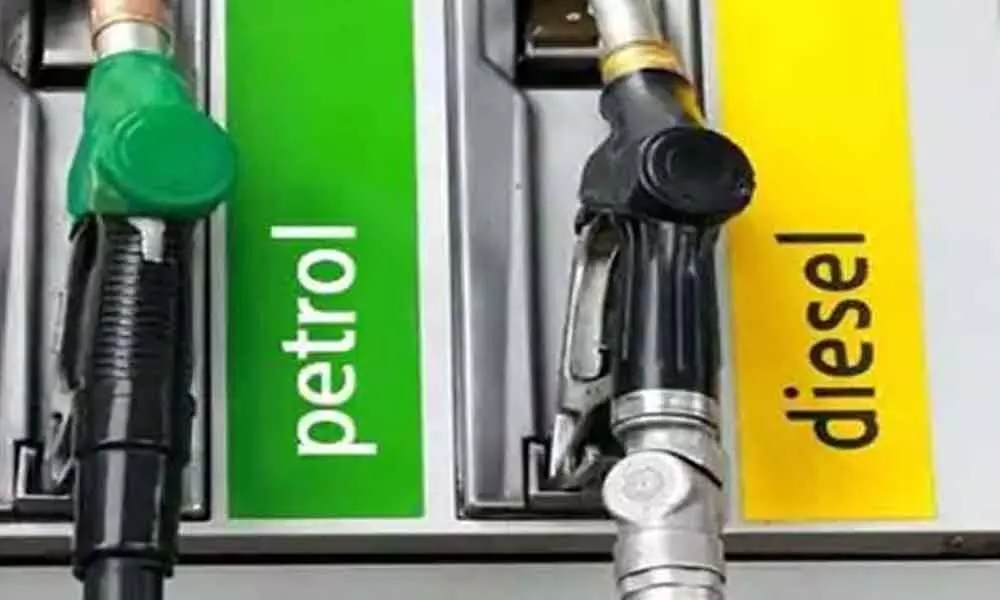
Pakistan has once again increased petrol and diesel prices, with the latest adjustment taking effect from August 22 for a three-day period. Under the revised daily petroleum pricing mechanism, petrol has become more expensive by Rs3.81 per litre, while high-speed diesel (HSD) has increased by Rs3.59 per litre.
The latest increase comes just a day after another minor adjustment in fuel prices, highlighting the continued volatility in Pakistan’s petroleum market.
New Petrol and Diesel Prices
Following the latest revision, the price of petrol has increased from Rs337.78 to Rs341.59 per litre.
Similarly, the price of high-speed diesel has risen from Rs364.70 to Rs368.29 per litre.
The new rates will remain effective from August 22 to August 24, 2026, after which prices may be revised again under the government’s daily pricing mechanism.
| Fuel | Previous Price | New Price | Increase |
|---|---|---|---|
| Petrol | Rs337.78/litre | Rs341.59/litre | Rs3.81 |
| High-Speed Diesel | Rs364.70/litre | Rs368.29/litre | Rs3.59 |
Another Increase Within Days
The latest hike follows several petroleum price adjustments in recent weeks as the government has moved toward more frequent fuel-price revisions.
For August 21, petrol had increased by just 27 paisas per litre, reaching Rs337.78, while HSD rose by Rs1.64 to Rs364.70 per litre.
The new three-day rates therefore represent another increase for consumers and businesses.
Impact on Consumers
The higher petrol price will directly affect millions of motorists across Pakistan.
Petrol is widely used by cars, motorcycles, rickshaws, taxis and other light vehicles. Any increase in its price can raise daily commuting costs for households and workers.
The impact is particularly significant for motorcycle users and lower-income households that depend on motorcycles and public transport for everyday travel.
Diesel Increase Could Raise Transport Costs
The increase in HSD could have broader economic implications because diesel is extensively used by heavy vehicles.
Trucks, buses and other commercial vehicles rely heavily on diesel to transport goods and passengers across the country. Higher fuel costs can therefore increase transportation and logistics expenses.
These additional costs may eventually affect the prices of goods transported from farms, factories and warehouses to markets.
READ MORE: Imran Khan Tells Sister He Is Facing ‘Severe Injustice and Torture’
Daily Pricing Mechanism
The latest adjustment is part of the government’s revised petroleum pricing mechanism, under which fuel prices can be changed more frequently in response to changes in international oil prices and other relevant factors.
OGRA is responsible for revising the ex-depot prices under the applicable mechanism.
The shorter pricing periods mean consumers can see fuel prices change more frequently than under the previous monthly review system.
Global Oil Market Remains a Key Factor
Pakistan remains heavily dependent on imported petroleum products and crude oil, making domestic fuel prices sensitive to movements in international energy markets.
Changes in global crude prices, exchange rates, freight costs and other components of the petroleum pricing formula can all influence the final price paid by consumers.
The recent volatility in international energy markets has therefore continued to create pressure on fuel prices in Pakistan.
Pressure on Businesses and the Economy
Higher fuel prices do not affect motorists alone.
Transport companies, agricultural operators, manufacturers, retailers and other businesses can face higher operating costs when petroleum prices rise.
For businesses dependent on transportation, even relatively small increases can add to monthly expenses.
If higher costs are passed on to consumers, fuel price increases can also contribute to broader inflationary pressure.
What Comes Next?
The latest rates are only applicable for three days, meaning another revision could follow after August 24.
This short review period makes the direction of global oil prices increasingly important for Pakistani consumers.
For now, motorists will pay Rs341.59 per litre for petrol, while HSD will cost Rs368.29 per litre.
The latest increase adds further pressure on household transportation budgets and business operating costs at a time when consumers are already closely watching fuel prices.


