
Pakistan Restricts Government Employees from Uploading Sensitive Data to Public AI Tools
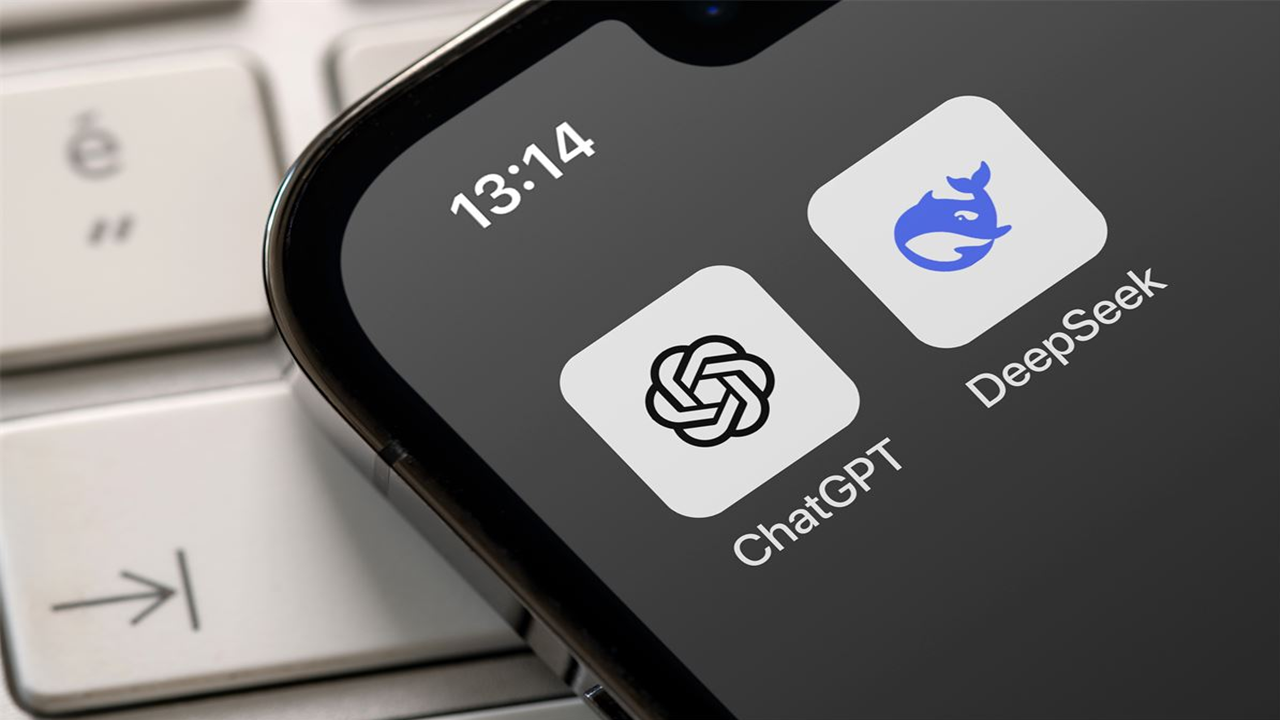
Pakistan has introduced new cybersecurity guidance restricting government employees from uploading classified documents, official emails, software source code and citizens’ personal information to public artificial intelligence platforms. The measures are included in the National Cybersecurity Handbook 2026–27, issued by the National Cyber Emergency Response Team (PKCERT).
Government Employees Told Not to Share Sensitive Information With AI
Under the new guidance, government personnel are prohibited from entering sensitive official information into public AI tools. The restrictions cover several categories of data, including:
- Classified government documents
- Official emails
- Software source code
- Citizens’ personal information
- Passwords and administrative credentials
- API keys
Officials have also been instructed not to install unauthorized AI extensions or plugins on government devices.
Only Approved AI Tools Should Be Used
Government employees have been directed to use AI platforms approved by their respective departments for official work.
The guidance also calls for sensitive information to be removed from prompts and uploaded files wherever possible. If confidential information is accidentally disclosed to an AI service, employees are required to report the incident to their departmental IT or cybersecurity teams.
The policy does not prohibit government employees from using AI altogether. AI tools can still be used for activities such as content generation, analysis and routine administrative work, provided appropriate security, privacy and human-oversight requirements are followed.
READ MORE: Honor 700 Pro Leak Reveals Rear Screen and 200MP Main Camera
Pakistan Had Already Warned About AI Chatbot Risks
The latest guidance builds on earlier cybersecurity warnings from Pakistan’s government.
In June 2024, the Cabinet Division’s National Telecom & Information Security Board issued an advisory warning users handling extremely sensitive information not to use ChatGPT and similar AI-powered chatbots. It also recommended masking critical information where AI use was necessary.
The earlier advisory highlighted risks associated with stored conversations, including potential exposure of proprietary information, internal operational details, personal communications and software code if an account or system were compromised.
AI Adoption Is Expanding Across Government
The restrictions come as Pakistan is simultaneously increasing its use of artificial intelligence in public-sector operations.
The Pakistan Digital Authority has been developing a sovereign AI-based GPT-powered research system for government use. The system is intended to help officials access previous government directives, decisions and orders while supporting administrative work through an AI assistant.
Pakistan’s proposed National Data Governance Policy 2026 also places greater emphasis on data security, privacy-enhancing technologies and limiting disclosure of government data to information necessary for a specific lawful purpose.
Government AI Use Requires Stronger Data Controls
The new cybersecurity rules reflect a broader challenge for governments adopting generative AI: public AI services can be useful for drafting, summarization and analysis, but sensitive government information requires additional safeguards.
Pakistan’s approach is therefore focused on allowing AI for appropriate government tasks while restricting the transfer of confidential information to unauthorized public platforms.


