
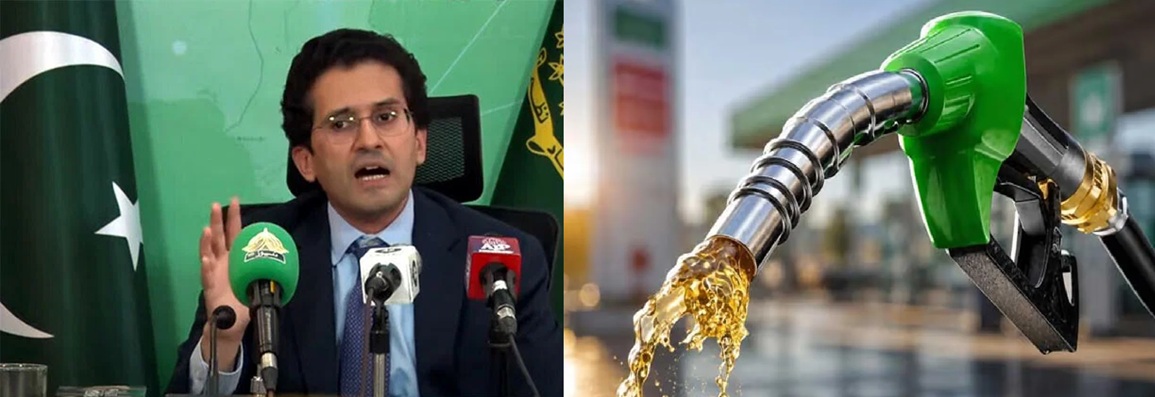
Pakistan’s Petroleum Minister Ali Pervaiz Malik has warned that petrol prices could potentially reach Rs. 1,000 per litre if a serious fuel shortage develops, while stressing that the country is not currently facing a petrol shortage.
Speaking to journalists in Lahore on September 20, Malik said the government is working to maintain uninterrupted fuel supplies despite a sharp increase in international oil prices and disruptions affecting global energy markets.
Global Oil Prices Have Risen Sharply
According to Malik, international oil prices have increased by around 80%, while petrol prices in Pakistan have risen by roughly 50% since March 1.
He said the government has been trying to limit the impact of international price increases on domestic consumers while maintaining fuel availability.
The warning comes amid disruptions affecting major oil and shipping routes in the Middle East, including the Strait of Hormuz and the Red Sea. These disruptions have increased pressure on energy-importing countries, including Pakistan.
No Petrol Shortage at Present
Despite the warning, the petroleum minister said there is currently no petrol shortage in Pakistan.
The government is reportedly working through different channels to secure supplies and prevent disruptions in fuel availability. Radio Pakistan reported that authorities are making efforts to maintain uninterrupted supplies despite resource constraints and higher international prices.
The Petroleum Division has also been coordinating with refineries, oil marketing companies and petrol dealers to manage supplies during the ongoing energy-market volatility.
Petrol Currently at Rs. 389.14 Per Litre
Under the latest price revision, petrol is being sold at Rs. 389.14 per litre, while high-speed diesel is priced at Rs. 424.04 per litre.
The government has also introduced a targeted fuel relief programme for eligible motorcycles, rickshaws, three-wheelers and small cars to reduce the impact of higher petrol prices on lower-income consumers.
Rs. 180 Million in Relief Tokens Issued
Malik said fuel-relief tokens worth approximately Rs. 180 million were issued in a single day.
Radio Pakistan separately reported that payments had been distributed to 7,400 petrol pumps nationwide to facilitate registered beneficiaries under the relief mechanism.
Also Read:
Over 1 Million Pakistanis Register for PM’s Fuel Relief Scheme
The government has redirected billions of rupees toward vulnerable segments as part of its targeted fuel-relief measures.
Government Preparing for Winter Gas Demand
The petroleum minister also discussed Pakistan’s gas requirements for the coming winter.
He said the government would take steps to prevent a gas shortage for consumers, even if this requires significantly higher spending on LNG imports. Malik indicated that the government could spend $100 million instead of $3 million if necessary to maintain gas availability.
Pakistan is facing additional energy-market pressure because disruptions to regional supply routes have increased competition for LNG and other energy resources. Reuters reported that Pakistan is among the countries affected by the wider energy disruption linked to the Middle East conflict and shipping-route problems.
Government Looking Toward Domestic Oil Production
Malik also said that work has begun on oil wells, with the government expecting potential oil discoveries by October.
If successful, increased domestic oil production could eventually help reduce Pakistan’s dependence on imported petroleum. However, the minister’s statement does not establish how much additional domestic production could become available or when it would materially affect fuel prices.
What Could Push Petrol Prices Higher?
The minister’s Rs. 1,000-per-litre warning was presented as a scenario linked to a fuel shortage, rather than an announced new petrol price.
Several factors could contribute to pressure on fuel prices, including:
- Disruptions to international oil supplies
- Problems along major shipping routes
- Higher global crude oil prices
- Increased import costs
- A domestic shortage of petrol
- Rising transportation and energy costs
At present, however, the government says petrol supplies remain available and that it is working to avoid a shortage.


