
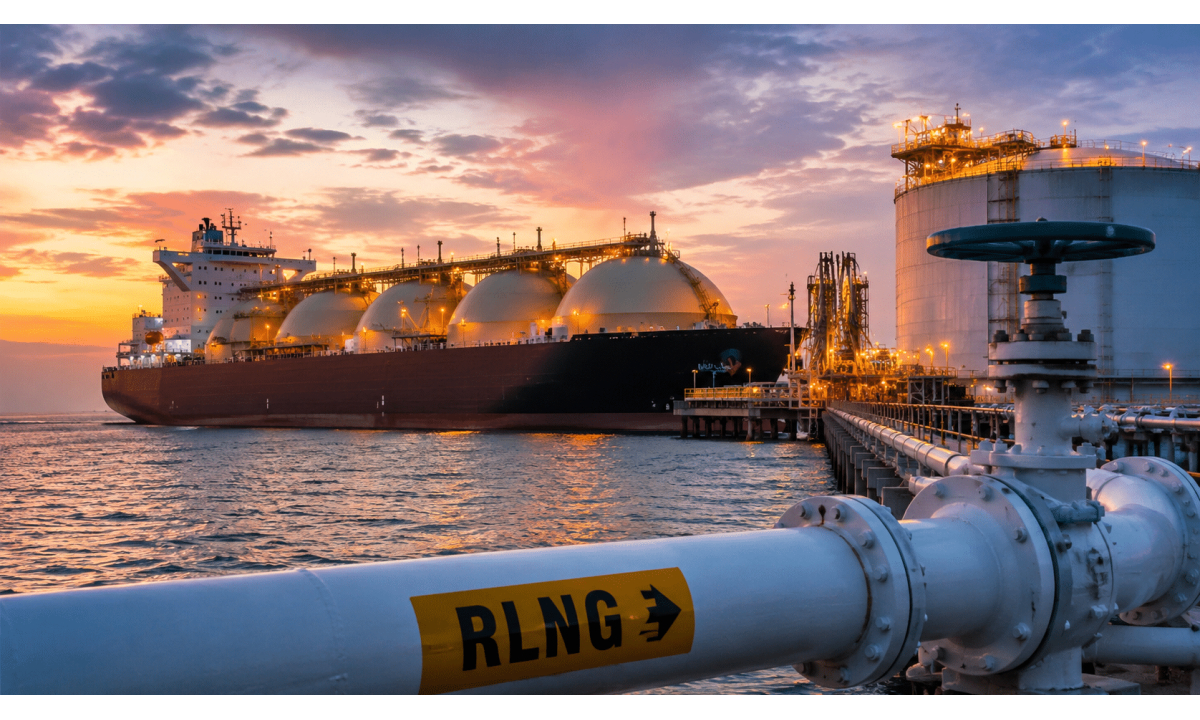
Pakistan’s RLNG power generation cost has surged to an all-time high of around Rs47.4 per unit, following a sharp increase in LNG procurement costs amid disruptions to regional energy supplies. The record cost is adding pressure to electricity generation expenses and could result in higher electricity bills for consumers.
RLNG Cost Jumps 242%
The cost of generating electricity from regasified liquefied natural gas (RLNG) increased by approximately 242% in July 2026, rising from less than Rs14 per unit in April to around Rs47.4 per unit in July.
The unprecedented increase comes as Pakistan has been forced to rely more heavily on expensive spot-market LNG cargoes after disruptions affected supplies from its long-term supplier, Qatar.
US-Iran War Disrupts LNG Supplies
The ongoing US-Iran conflict and disruption around the Strait of Hormuz have significantly affected LNG shipments in the region.
Pakistan had scheduled seven long-term LNG cargoes through Pakistan State Oil (PSO) for July, but none were imported. To maintain fuel supplies, Pakistan LNG Limited (PLL) instead secured five spot cargoes, with the higher international prices substantially increasing the cost of electricity generation.
The situation demonstrates Pakistan’s vulnerability to geopolitical developments because a significant portion of its energy requirements depends on imported fuel.
Spot LNG Comes at a Heavy Cost
Pakistan’s move toward the international spot market has provided an immediate way to maintain LNG supplies, but at a considerably higher price.
One spot cargo accepted by Pakistan LNG Limited for July delivery was reportedly priced at up to $21.88 per MMBtu, making it the most expensive LNG cargo Pakistan had purchased since the Iran war began.
The higher LNG procurement cost has subsequently flowed into the power-generation chain.
READ MORE: Oil Marketing Companies Seek Margin Increase After Three-Year Freeze
Electricity Generation Costs Also Rise
The impact is already visible in Pakistan’s overall electricity generation costs.
Power generation increased by around 7% year-on-year in July, reaching 15,122 GWh, while the adjusted fuel cost climbed to Rs9.61 per kWh, compared with a reference fuel cost of Rs7.09 per kWh.
The Central Power Purchasing Agency has therefore sought a Rs2.52 per unit Fuel Cost Adjustment (FCA) for July, which could increase electricity bills if approved by the regulator.
Consumers Could Face Another Increase
The higher RLNG cost could ultimately affect electricity consumers through fuel-cost adjustments.
The power sector has reportedly sought an additional Rs36.5 billion from consumers for July’s fuel-cost adjustment. The National Electric Power Regulatory Authority (NEPRA) is scheduled to examine the request at a public hearing.
This comes at a time when households and businesses are already dealing with elevated energy and operating costs.
RLNG Prices Rise Further in August
The pressure may not end with July’s figures.
The Oil and Gas Regulatory Authority (OGRA) increased RLNG prices by around 32% for August, taking the notified price to $25.83 per MMBtu for SNGPL and $25.09 per MMBtu for SSGCL. The August rate is around 148% higher than the February price of $10.45 per MMBtu.
This means electricity generation costs could remain under pressure in the coming months if expensive LNG continues to be used for power production.
Coal and Hydel Help Reduce the Impact
Pakistan has partially offset the higher cost of RLNG through increased generation from other sources.
Hydropower generation reached a record 6,019 GWh in July, while coal-based generation also climbed sharply to 3,819 GWh. Strong hydel and coal generation helped reduce the country’s reliance on more expensive thermal fuels.
Coal-based generation has also reached record levels this year as disruptions to RLNG supplies pushed Pakistan toward greater use of both local and imported coal.
Pakistan’s Energy Security Challenge
The latest RLNG crisis highlights a broader issue facing Pakistan: energy security remains closely linked to international markets and geopolitical developments.
When global shipping routes are disrupted or LNG supplies become unavailable, Pakistan has limited options but to purchase replacement cargoes at significantly higher prices.
The situation reinforces the importance of diversifying energy sources, expanding domestic resources and increasing renewable generation.
Solar and Renewables Could Provide Relief
Pakistan’s growing solar capacity could play an increasingly important role in reducing exposure to volatile international fuel prices.
Greater investment in solar, wind and hydropower could reduce the country’s dependence on imported LNG and furnace oil for electricity generation.
The current crisis also strengthens the economic argument for accelerating renewable-energy projects and improving energy-storage infrastructure.
What Comes Next?
Pakistan’s immediate challenge is to secure sufficient LNG supplies while limiting the impact of higher international prices on electricity consumers.
However, the record RLNG generation cost shows that relying heavily on imported fuels can expose the power sector to sudden and substantial cost increases.
With August RLNG prices already significantly higher and geopolitical uncertainty continuing, electricity costs could remain under pressure.
For Pakistan, the latest record is therefore more than an increase in the cost of one fuel. It is a reminder that energy security, economic stability and geopolitical developments are increasingly interconnected.


