
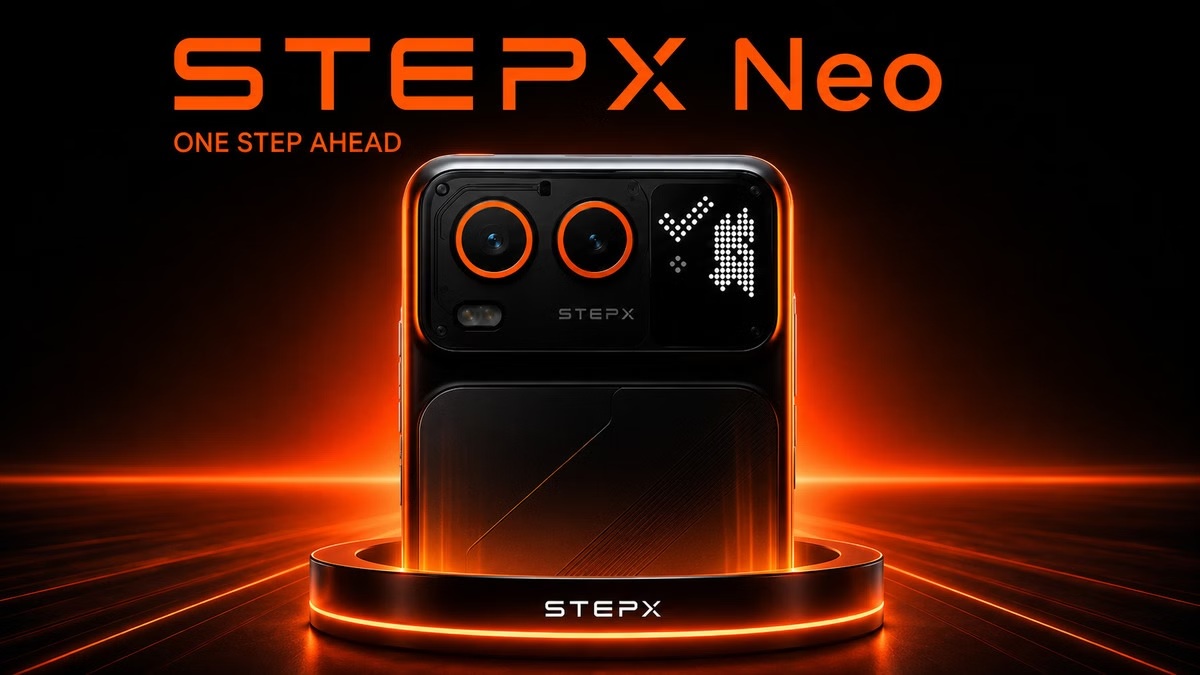
Paradigm Shift: StepFun Unveils the StepX Neo as the World’s First Agentic AI Phone
The future of mobile technology has officially arrived as Chinese artificial intelligence startup StepFun unveils the StepX Neo, hailed as the world’s first agentic AI phone. Stepping away from traditional mobile ecosystems, this device does not simply run basic apps or stack a casual voice assistant on top of standard software. Instead, the StepX Neo introduces a fully autonomous, agent-first design engineered to completely change how humans interact with handheld devices.
Rather than utilizing traditional application interfaces, the smartphone relies on native artificial intelligence to execute complex tasks directly on behalf of the user.
What Makes the StepX Neo True “Agentic” Hardware?
Most modern smartphones feature localized AI tools confined inside standalone applications. To book a flight, order food, or manage a schedule, users must manually navigate through multiple interfaces. The StepX Neo bypasses this entire manual process.
At the center of this breakthrough is Step Amoo, the phone’s system-level personal AI agent.
-
Autonomous Execution: By recognizing user intent, the built-in Amoo agent can execute multi-step workflows—such as planning an entire vacation itinerary, checking flight prices, and completing the booking—with a single natural language command.
-
Model Context Protocol (MCP): Using the open MCP standard, the system breaks down core capabilities (like communications, file storage, and device settings) into modular system units. This allows Amoo to access and control system parameters without opening individual application screens.
-
Memory Recall: Armed with a dual-domain memory system (balancing the user’s personal habits with the agent’s knowledge database), memory recall happens in an ultra-fast 15 milliseconds.
MUST READ:
Pakistani Researchers Can Apply for Open ALS Reward Program Offering Up to $50,000
Ditching Android Skins for Step AOS
To achieve true system-level autonomy, StepFun did not settle for a standard Android skin. The StepX Neo runs on a custom, agent-native operating system called Step AOS.
According to StepFun—a Shanghai-based AI unicorn founded by former Microsoft executives—the software was rebuilt from the ground up using core Android, Linux, and Real-Time Operating System (RTOS) layers to prioritize agent execution over standard human-operated menus. This system-level shift means the AI model is native to the device runtime environment itself rather than sitting on the surface as an extra feature.
Balancing Agent Autonomy with User Security
Granting system-wide operational permissions to an active AI agent naturally presents significant security and privacy concerns. StepFun has addressed these potential vulnerabilities by deploying a comprehensive “trusted, visible, and reversible” safety architecture:
-
Controlled Environments: All automated agent interactions and tasks run within a heavily isolated execution environment.
-
Auditable Steps: Every automated tap, swipe, or decision made by Amoo is recorded in a visible, real-time log that the user can audit at any time.
-
One-Tap Reversals: If the AI agent makes an incorrect decision or takes a mistaken action, the user can instantly undo the entire sequence with a single tap.
The StepX Neo has already cleared China’s national L3 terminal intelligence grading standard, currently the highest certificate level tested for terminal-based smart devices.
Market Launch and Ecosystem Partners
To ensure the world’s first agentic AI phone operates seamlessly right out of the box, StepFun has partnered with several dominant digital service ecosystems. The device features deep, native integration with mainstream Chinese platforms like Alipay, Meituan, Baidu, JD.com, and Ctrip.
While StepFun has successfully demoed the hardware design—revealing a dual rear-camera module and an interactive secondary display on the back—specific retail pricing, core processor specs, and global release timelines outside of the domestic Chinese market have yet to be confirmed. However, this debut officially starts a new era of consumer hardware, paving the way for software systems that perform actions rather than just offering answers.


