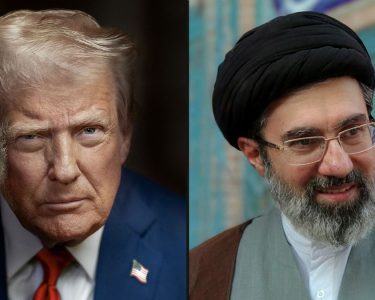
Trump Terminates Ceasefire Following Massive US Missile Strikes Inside Iran
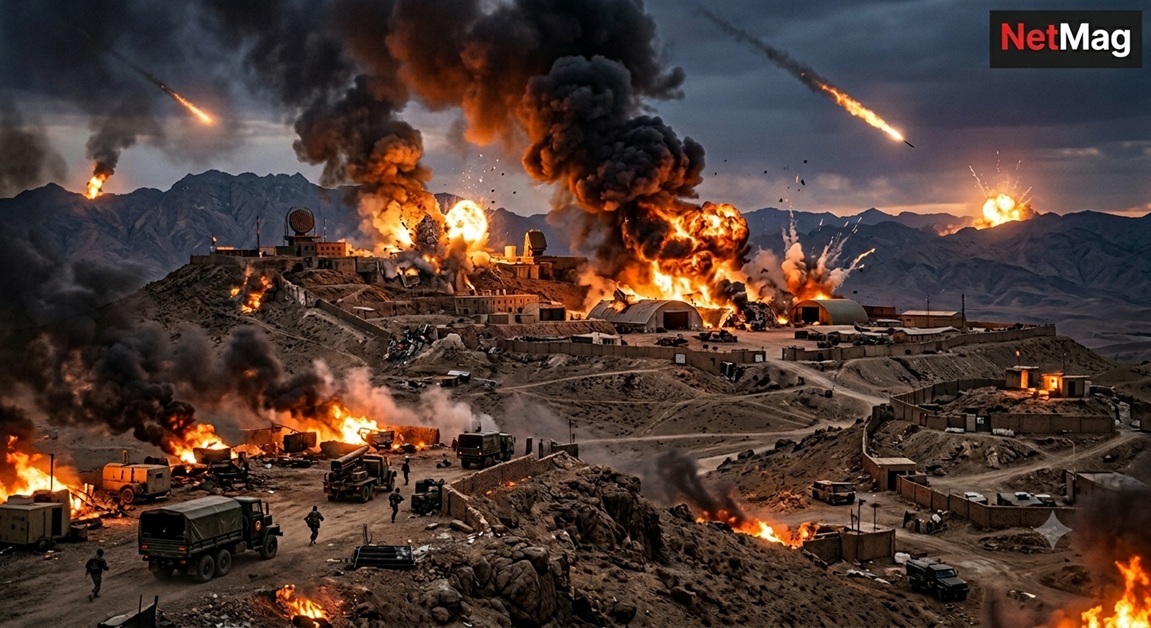
President Donald Trump officially announced the termination of the active ceasefire with Tehran on Wednesday. This major geopolitical shift comes directly after the American military launched coordinated, large-scale US missile strikes inside Iran, flattening more than 80 strategic military targets.
The high-stakes military action unfolded just hours after US forces responded to alleged Iranian attacks on commercial vessels moving through the critical Strait of Hormuz maritime corridor.
CENTCOM Targets Strategic Facilities
According to a statement released by the United States Central Command (CENTCOM), the targeted operation focused on dozens of high-value Iranian military installations. The Pentagon designed these precision strikes to impose significant costs on Tehran for endangering international merchant shipping lanes and civilian maritime crews.
Consequently, the region has been thrown back into direct military confrontation. While Donald Trump declared the peace agreement effectively finished, he simultaneously hinted that the White House remains open to future negotiations. However, diplomatic re-engagement will only occur if Iran strictly refrains from launching subsequent retaliatory operations.
Iran Retaliates Against US Bases
Tehran responded almost immediately to the American offensive. The Islamic Revolutionary Guard Corps (IRGC) quickly claimed responsibility for a wave of retaliatory missile and drone strikes. Their counter-offensive targeted 85 separate US military sites located across Bahrain and Kuwait.
Also Read:
Iran Oil Sanctions Relief Opens Global Market to Iranian Crude After Nearly Eight Years
Furthermore, Iranian officials fiercely condemned the American operation, labeling it a direct and unprovoked breach of the pre-existing ceasefire agreement. The IRGC has formally vowed to deliver a crushing response if western aggression persists.
International Community Reacts
As tensions escalate rapidly across the Middle East, international allies are beginning to take sides. Notably, NATO Secretary General Mark Rutte publicly backed the White House’s military response. Rutte defended the overnight aerial campaign, describing the American strikes as an absolutely necessary measure to guarantee global maritime security.