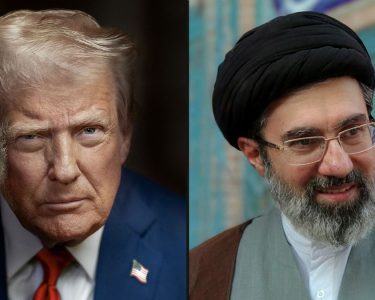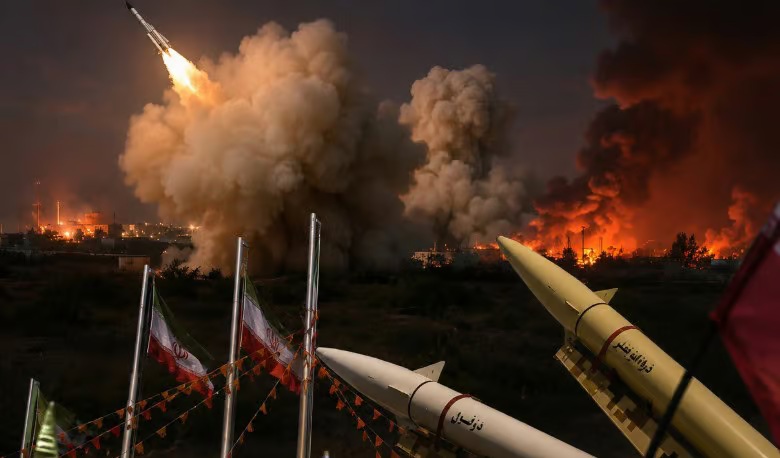
The conflict between the United States and Iran has entered its fourth consecutive day, with fresh U.S. military strikes targeting Iranian military infrastructure while regional tensions intensified following reported attacks affecting Jordan and Kuwait. The expanding crisis has heightened fears of a broader Middle East conflict with potential consequences for regional security and global energy markets.
According to reports, U.S. forces carried out additional precision strikes against Iranian military assets, including missile launch facilities, air defense systems, and strategic command centers. Washington says the operations are intended to weaken Iran’s military capabilities and protect U.S. personnel and allied interests in the region.
Meanwhile, Jordan and Kuwait have reportedly experienced security incidents linked to the escalating conflict, prompting both countries to heighten their defense readiness. Regional governments are closely monitoring the situation as concerns grow that hostilities could spread beyond the immediate U.S.-Iran confrontation.
Iran has strongly condemned the latest U.S. military operations, describing them as acts of aggression and warning that it will continue to respond against American military assets and allied interests. Iranian officials have reiterated that further attacks will be met with what they describe as a proportionate response.
The continued exchange of military action has also raised concerns about international shipping and energy security, particularly around the Strait of Hormuz, through which a significant portion of the world’s oil supply passes. Global markets remain on alert as investors assess the potential impact of prolonged instability in the Gulf region.
READ MORE: Qeshm Island Comes Under Fresh U.S. Strikes as Middle East Tensions Escalate
International leaders have once again urged all parties to exercise restraint and pursue diplomatic dialogue to prevent the conflict from escalating into a wider regional war. Analysts warn that continued hostilities could have serious implications for Middle Eastern stability, global trade, and international energy supplies.