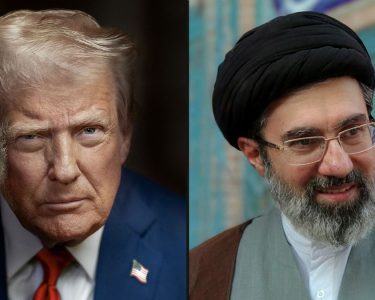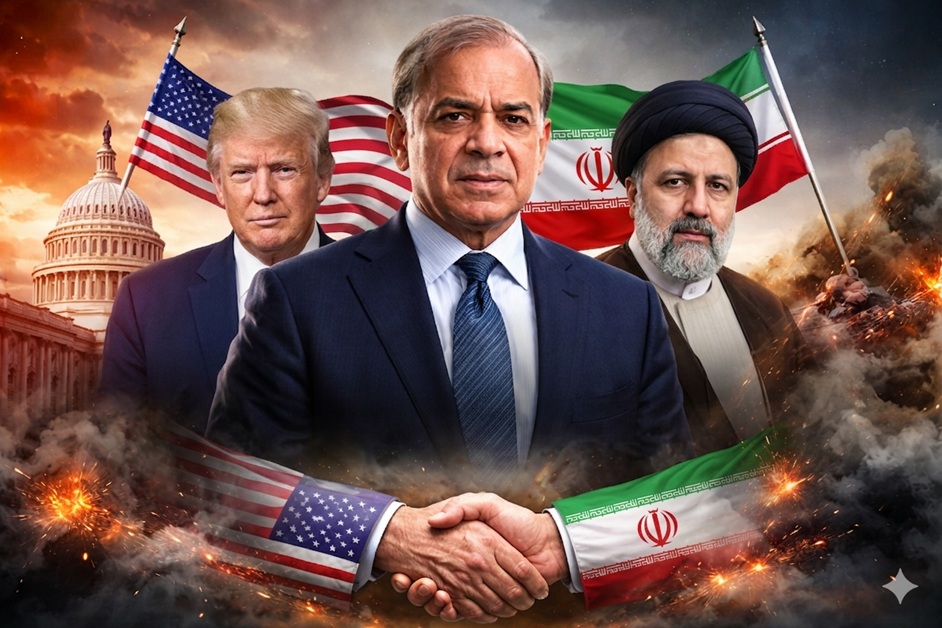
US Iran ceasefire Pakistan breakthrough has emerged as both Washington and Tehran agree to a two-week ceasefire, marking a critical step toward a potential long-term peace agreement.
The temporary truce comes after intense diplomatic efforts led by Pakistan, which played a central role in bringing both sides to the negotiating table. The ceasefire is designed to pause ongoing military operations and create space for formal peace talks aimed at ending the conflict permanently.
According to developments, the agreement includes a halt to US airstrikes and Iranian counterattacks, while also focusing on restoring stability in key strategic areas such as the Strait of Hormuz, a vital global oil transit route.
Pakistan’s leadership, particularly Shehbaz Sharif, has been actively involved in facilitating dialogue between the two sides. The country’s mediation efforts helped prevent further escalation just hours before a major deadline for potential large-scale military action.
A Window for Diplomacy
The two-week ceasefire is being viewed as a critical diplomatic window, allowing negotiators to work toward a broader agreement. Talks are expected to focus on long-term security guarantees, reopening of trade routes, and de-escalation across the region.
Iran has reportedly linked the continuation of the ceasefire to conditions such as safe navigation through key maritime routes, while the United States has emphasized maintaining regional stability and protecting global energy supplies.
Global Impact
The announcement of the ceasefire has already had a positive impact on global markets, with oil prices stabilizing and investor confidence improving amid hopes of reduced geopolitical risk.
The conflict had previously disrupted energy flows and raised fears of a broader regional war, making this temporary truce a significant relief for the international community.
Also Read:
Pakistan Emerges as Key Leader in New Anti-War Axis for US–Iran Peace Talks
Challenges Ahead
Despite the breakthrough, uncertainties remain. Analysts warn that the ceasefire is fragile and dependent on both sides honoring commitments during the two-week period.
There are also concerns about differences in expectations, as both countries seek favorable terms in any final agreement. Continued diplomatic engagement will be essential to transform this temporary pause into a lasting peace.
Final Thoughts
The US-Iran ceasefire marks a major turning point in the conflict, with Pakistan emerging as a key diplomatic player. If successful, the ongoing negotiations could pave the way for a comprehensive peace deal, reshaping the geopolitical landscape of the region.