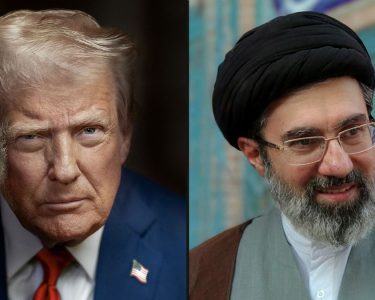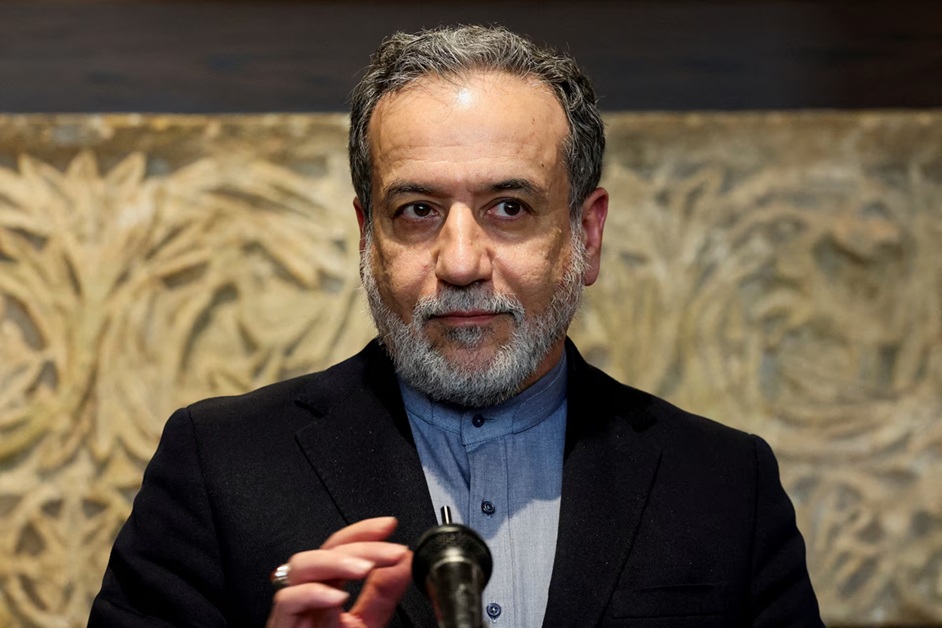
The Araqchi US negotiation tactics issue has come into sharp focus as Iran’s Foreign Minister Abbas Araghchi openly criticized Washington’s approach during the high-stakes Islamabad talks, accusing the United States of undermining progress through shifting demands and unrealistic expectations.
The remarks followed the conclusion of the Islamabad Talks, where both sides failed to reach a final agreement after more than 20 hours of negotiations.
Iran Accuses US of ‘Moving the Goalposts’
Speaking after the talks, Abbas Araghchi заявил that the United States repeatedly changed its negotiating positions, making it difficult to achieve a mutually acceptable framework.
Iranian officials argued that Washington introduced new conditions during the negotiations, including additional demands related to nuclear restrictions and regional policies, which were not part of earlier discussions.
Tehran maintains that it entered the talks with goodwill but encountered what it described as “maximalist” and excessive demands from the US delegation.
Talks End Without Agreement
The Araqchi US negotiation tactics controversy comes in the wake of the failed Islamabad negotiations, which were aimed at ending the 2026 Iran war and stabilizing a fragile ceasefire.
Despite initial optimism and reports of progress on several points, key disagreements over Iran’s nuclear program and the status of the Strait of Hormuz ultimately led to a breakdown.
Iranian sources indicated that while some technical issues saw partial understanding, fundamental disputes prevented the signing of any agreement.
Also Read:
Why Trump is Threatening to Blockade the Strait of Hormuz While Iran Maintains Control
Deep Mistrust Between Both Sides
A major factor complicating the talks was the deep-rooted mistrust between Tehran and Washington. Iranian officials reiterated that past experiences with US policies have made it difficult to rely on American commitments.
The Araqchi US negotiation tactics criticism reflects broader concerns within Iran’s leadership that the US approach lacks consistency and transparency.
Meanwhile, US officials have defended their stance, arguing that strict conditions are necessary to ensure long-term regional stability and prevent nuclear escalation.
Strait of Hormuz and Nuclear Issue Remain Key Obstacles
The dispute over the Strait of Hormuz remained one of the central sticking points in the negotiations, alongside disagreements on Iran’s nuclear activities.
Iran insists on maintaining sovereignty over the strategic waterway, while the US seeks unrestricted access for global shipping—highlighting a fundamental divide that continues to block progress.
These unresolved issues played a decisive role in the collapse of the talks.
Uncertain Future of Diplomacy
With the talks ending without a deal, the future of US-Iran diplomacy remains uncertain. While both sides have not ruled out further negotiations, the current deadlock suggests that any breakthrough will require significant compromise.
The Araqchi US negotiation tactics debate underscores the challenges facing diplomatic efforts, as both nations remain firmly entrenched in their positions.
Final Words
The criticism by Abbas Araghchi highlights growing frustration on the Iranian side and reflects the broader complexities of the conflict.
As tensions persist and diplomatic efforts stall, the international community continues to watch closely, hoping for renewed engagement that could prevent further escalation in the region.