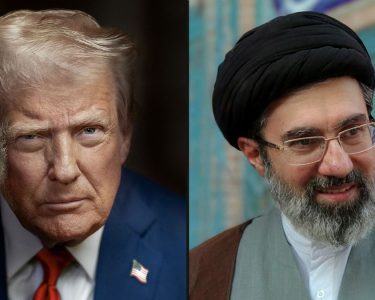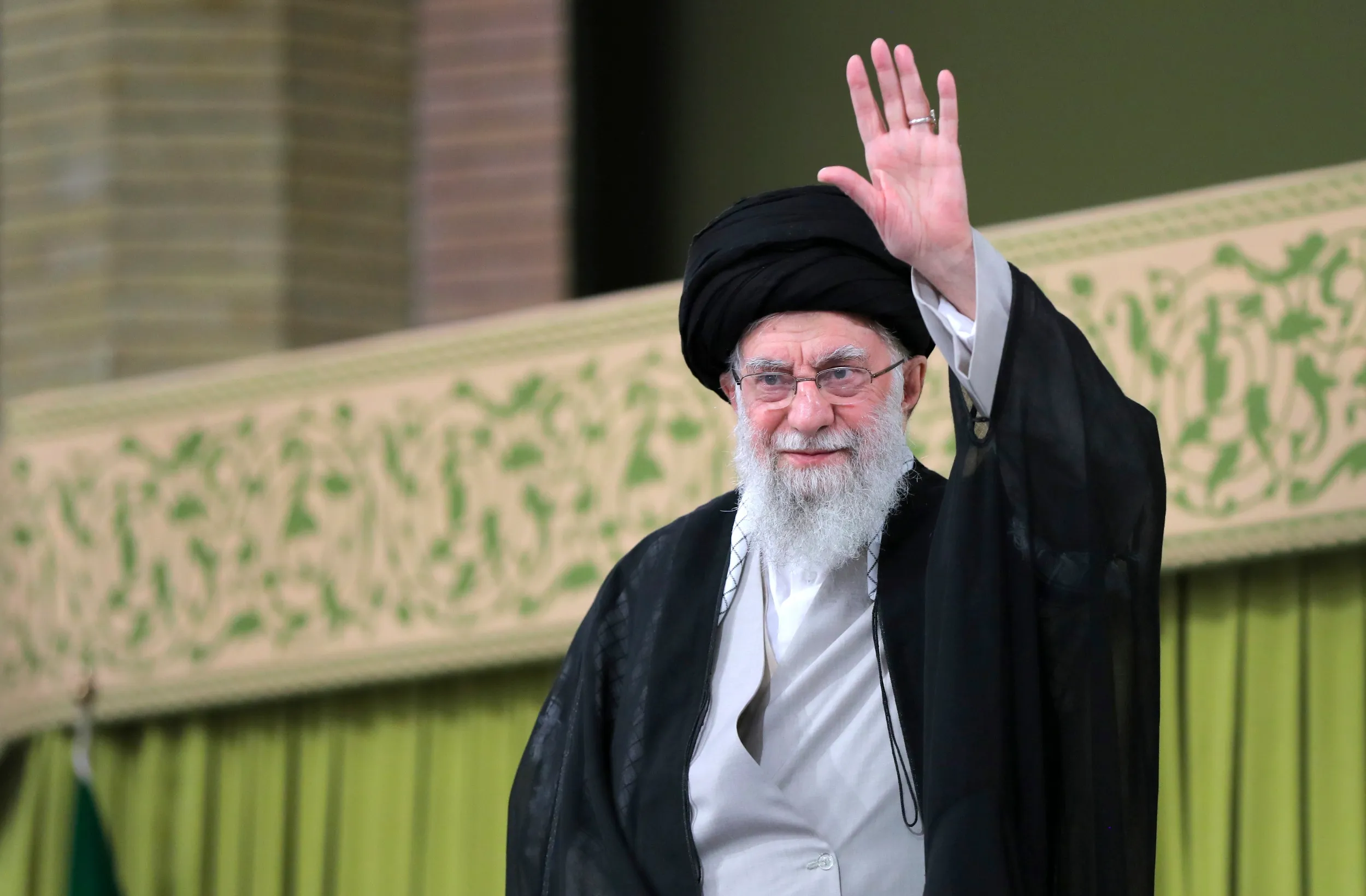
Iran has officially entered a period of national mourning following the shocking development that Khamenei killed in US-Israel attack has triggered a deep political and regional crisis. Authorities confirmed that Supreme Leader Ali Khamenei was killed during large-scale coordinated airstrikes carried out by the United States and Israel.
The strikes, which targeted key military and nuclear facilities across Iran, marked a dramatic escalation in Middle East tensions. According to emerging details, the attacks hit multiple strategic locations, including sensitive installations in Tehran and other major cities, resulting in significant casualties among senior leadership.
READ MORE: Pakistani National Killed by Iranian Missile Debris in UAE
Following confirmation of his death, Iranian state media announced a 40-day mourning period, a traditional observance reflecting the gravity of the loss and its national significance. The killing of Khamenei has not only shaken Iran internally but also intensified geopolitical uncertainty across the region.
READ MORE: Pakistani National Killed by Iranian Missile Debris in UAE
In the aftermath of the attack, Iran is now facing a serious leadership vacuum. Under constitutional provisions, an interim leadership council has reportedly assumed temporary control until a new Supreme Leader is selected. This transition phase is expected to be complex, as political, religious, and military factions navigate the future direction of the country.
The incident has also sparked fears of wider regional conflict, with global powers closely monitoring the situation. Analysts warn that the fallout from the Khamenei killed in US-Israel attack could reshape alliances, trigger retaliatory actions, and further destabilize an already volatile Middle East.
As tensions remain high, the international community is calling for restraint, while diplomatic efforts are expected to intensify in an attempt to prevent further escalation.