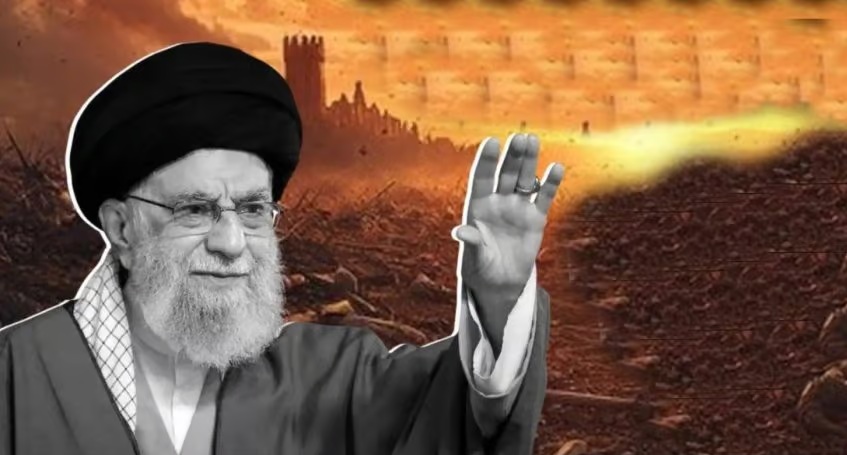
Ayatollah Ali Khamenei, Iran’s Supreme Leader and one of the most influential figures in the Middle East, has reportedly been killed amid escalating tensions involving the United States and Israel. His death marks a historic turning point after more than three decades of leadership over the Islamic Republic of Iran.
Born in Mashhad in 1939, Khamenei emerged as a prominent religious and political figure during the Iranian Revolution of 1979. He was a close ally of Ruhollah Khomeini, the founder of the Islamic Republic, and played an active role in shaping the country’s post-revolution political structure.
Khamenei served as President of Iran from 1981 to 1989 during a period marked by war and political instability. Following Khomeini’s death in 1989, he was appointed Supreme Leader — the highest authority in the country — granting him control over Iran’s military, judiciary, and key state institutions.
READ MORE: Iran 40-Day Mourning After Khamenei Killed in US-Israel Attack
During his tenure, Khamenei maintained a strong anti-Western stance, particularly toward the United States and Israel. He oversaw Iran’s expansion in regional influence, missile development, and nuclear capabilities, while also navigating internal challenges such as economic sanctions and domestic unrest.
Recent reports suggest that Khamenei was killed in a major airstrike during heightened regional conflict. Iranian authorities have since announced a 40-day mourning period, signaling the gravity of the loss for the nation.
His death leaves a significant power vacuum in Iran’s leadership, raising critical questions about succession, political stability, and the future of the country’s domestic and foreign policies amid rising geopolitical tensions.