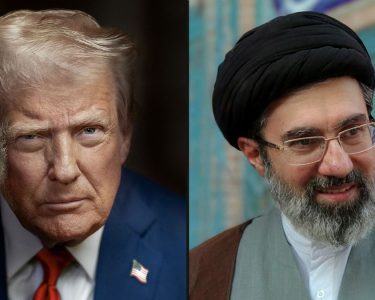
Tensions in the Middle East have escalated sharply after Iran launched a fresh wave of missile and drone attacks targeting U.S. military facilities across several Gulf nations following renewed American airstrikes on Iranian military infrastructure. The latest developments have raised concerns over regional stability and global energy security.
According to Iranian officials, the attacks targeted U.S. military installations in Bahrain, Kuwait, Oman, Jordan, and other Gulf states in retaliation for extensive U.S. strikes on more than 300 Iranian military targets conducted over recent days. The U.S. military confirmed carrying out the operations, stating they were intended to weaken Iran’s ability to threaten regional security and international shipping.
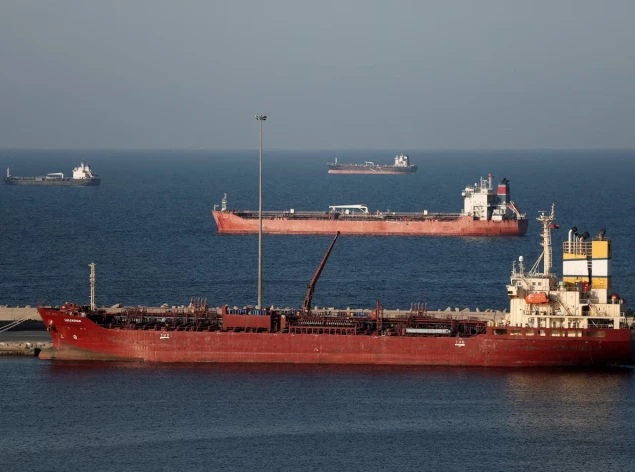
Iran also announced that the Strait of Hormuz had once again been closed, describing the move as a response to continued military action by the United States. However, U.S. officials rejected the claim, insisting that naval forces are continuing to secure the strategic waterway and escort commercial vessels through the region.
The Strait of Hormuz remains one of the world’s most critical maritime trade routes, with a significant share of global oil exports passing through it every day. Any disruption to shipping in the area has immediate implications for international energy markets, pushing oil prices higher amid fears of prolonged conflict.
READ MORE: Man Arrested for Taking FIA Recruitment Test on Behalf of His Brother
The renewed hostilities have further weakened diplomatic efforts to de-escalate tensions between Washington and Tehran. International observers continue to monitor the situation closely as governments worldwide call for restraint to prevent the conflict from expanding across the region.