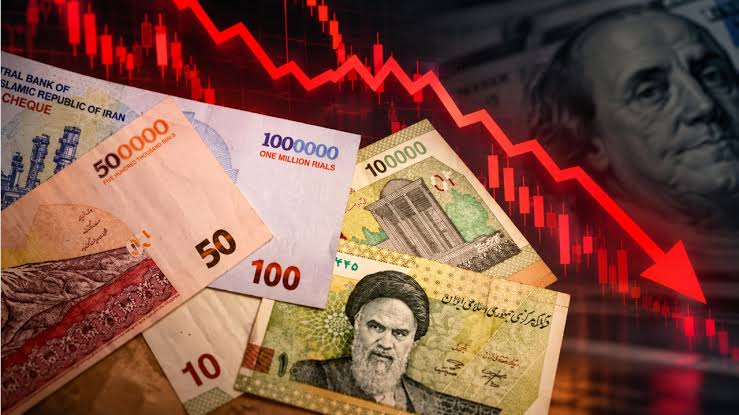
Iran’s currency has fallen to another record low, with the Iranian rial trading above 2.5 million against the US dollar in Tehran on September 29, 2026. The latest decline comes just weeks after the currency crossed the 2.2 million-per-dollar level in early September.
Rial Hits Another Historic Low
The latest drop marks another sharp decline in the value of Iran’s currency. The rial had previously reached around 2.2 million per US dollar on September 2, meaning the currency has continued to lose value at a rapid pace.
Market data from September 29 showed the dollar trading around 2.447 million rials in the open market, with intraday levels reaching approximately 2.457 million.
War and Economic Pressure Add to Currency Problems
Iran’s economy has been under pressure from multiple factors, including the ongoing conflict, international sanctions, restrictions on oil exports, and disruption to trade.
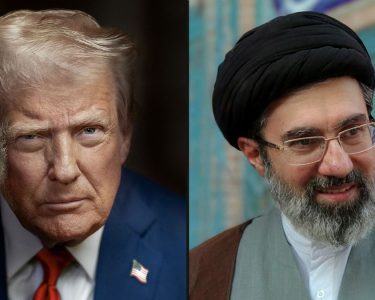
The latest decline also comes as Iran and the United States continue indirect discussions involving the Strait of Hormuz, a major route for global oil shipments. Iranian officials have indicated that reopening the strategic waterway is a key focus of the talks.
READ MORE: Turn Your Android Phone Into a Mini Desktop PC With One USB-C Cable
Oil Revenue Under Pressure
Restrictions affecting Iran’s oil trade are adding another challenge for the country’s economy. US officials have said sanctions and measures targeting Iranian oil exports are intended to limit Tehran’s access to revenue.
The weaker rial is also increasing the cost of international trade for Iranian businesses. Recent reporting indicated that companies trading with neighboring Iraq are facing additional financial and banking hurdles.
What the Record Low Means for Iran
A weaker rial makes imported goods more expensive and increases pressure on businesses that depend on foreign products, equipment, or raw materials. It can also add to inflationary pressures when higher import costs pass through to consumers.
The latest currency movement highlights the continuing economic impact of the conflict, sanctions and restrictions on Iran’s oil and trade activity.