
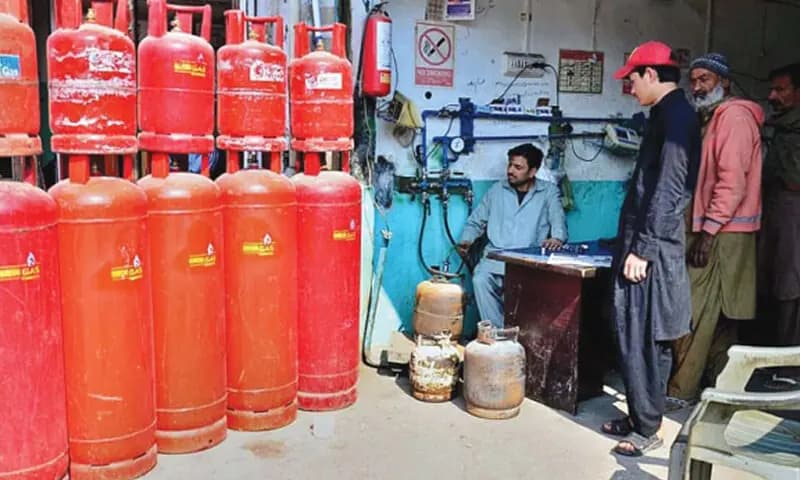
Liquefied petroleum gas (LPG) prices have surged to as much as Rs600 per kilogram in some parts of Pakistan, placing an additional financial burden on households that rely on the fuel for cooking and heating.
According to a report published by Dawn on Wednesday, LPG prices have reached Rs600 per kilogram in hilly areas, while consumers in Punjab and Khyber Pakhtunkhwa are reportedly paying around Rs500 per kilogram in open markets.
The report attributes the increase to supply shortages, including reduced supplies from Iran and the reported closure of trading points along the Pakistan-Iran border.
Official LPG Rate Versus Market Prices
The Oil and Gas Regulatory Authority (OGRA) set the official LPG price for October at Rs279 per kilogram, with the price of a domestic cylinder fixed at approximately Rs3,350.
However, Dawn reported that domestic LPG cylinders were selling for as much as Rs7,200 in hilly areas and Rs6,000 in Punjab and Khyber Pakhtunkhwa.
The difference between the notified rate and reported market prices has raised concerns about affordability, market oversight and the availability of LPG for ordinary consumers.
READ MORE: Pakistan Influencer Awards 2026: Vote for Ali Abbas of MasTech in the Tech Creator Category
Winter Demand Could Increase Pressure
Pakistan’s daily LPG consumption typically rises significantly during winter. According to the report, demand increases from approximately 4,000–4,500 tonnes per day to 6,000–7,000 tonnes during peak winter.
Households in areas experiencing natural gas shortages often turn to LPG for cooking and heating, making reliable supplies particularly important during colder months.
LPG distributors have warned that prices could rise further if supplies remain constrained.
What Consumers Should Know
The prices cited above are reported open-market rates and may vary by location. They should not be confused with a new nationwide price notification from OGRA.
Consumers should check local prices and official announcements before making purchasing decisions. The latest supply situation also requires monitoring as developments along the Pakistan-Iran border may affect availability.
The situation raises questions about supply management, enforcement of notified prices and the government’s response to potential shortages ahead of winter.


