Global oil prices have climbed back above $105 per barrel, reversing recent declines as renewed tensions in the Middle East and growing concerns over disruptions to oil shipments pushed markets higher.
Brent crude futures rose more than 5% during Thursday’s trading session, reaching around $105.20 per barrel, while U.S. West Texas Intermediate (WTI) crude climbed to approximately $92.75 per barrel.
The latest jump highlights the continuing sensitivity of global energy markets to geopolitical developments and disruptions along key oil transportation routes.
Middle East Tensions Drive Oil Higher
A major factor behind the latest increase is the growing risk to oil supplies from the Middle East.
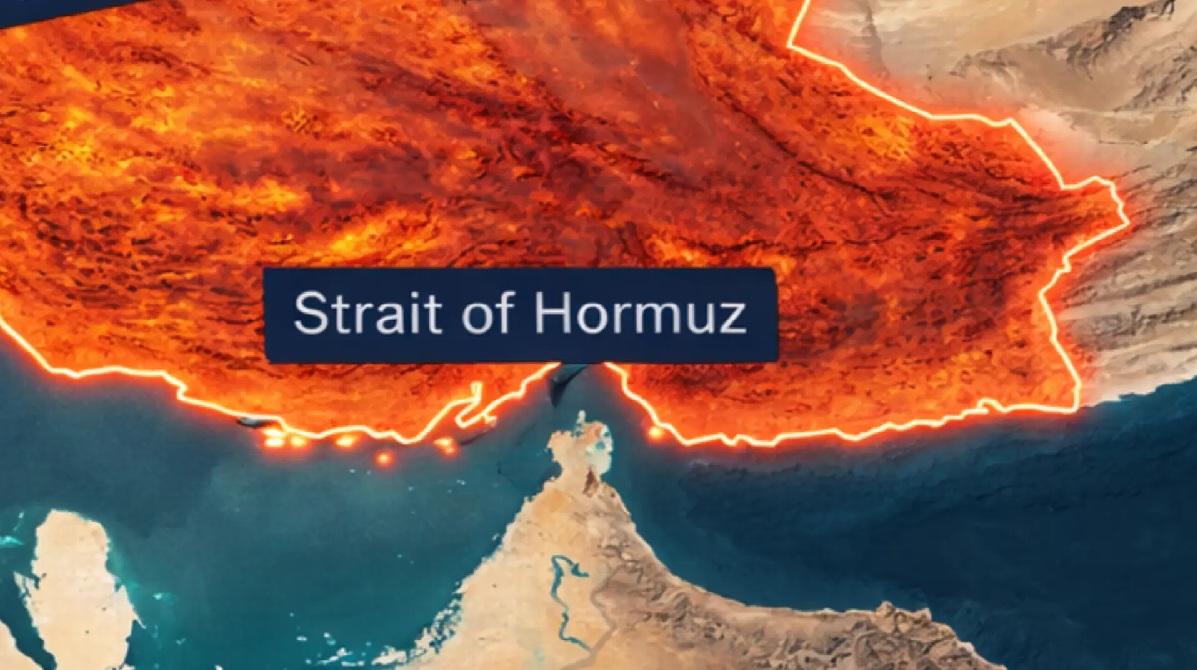
Shipping activity around the Strait of Hormuz has come under renewed pressure following a series of attacks on vessels in the Gulf and nearby waters.
The Strait is one of the world’s most important energy routes, with oil and fuel shipments equivalent to roughly 20% of global consumption passing through it before the current conflict.
Any prolonged disruption could significantly tighten global supplies and put additional upward pressure on crude prices.
Tanker Attacks Add to Market Uncertainty
The recent attacks on shipping have increased concerns among traders about the safety and reliability of oil transportation through the region.
Reports of attacks on tankers around the Gulf and near Oman have contributed to a sharp increase in the risk premium built into crude prices.
Analysts believe that continued disruptions could keep oil prices elevated, particularly if shipping companies become increasingly reluctant to operate through affected routes.
U.S. Hurricane Threatens Oil Production
The oil market is also facing supply concerns from the United States.
Hurricane Isaias is approaching the Gulf Coast, prompting energy companies including Shell and Chevron to reduce offshore operations.
According to U.S. government data, more than 25% of Gulf of Mexico oil production had been shut in because of the storm, while around 16% of natural gas production was also affected.
Although these disruptions could be temporary, the reduction in production is adding another source of uncertainty to an already tight market.
READ MORE; Pakistan’s Solar Boom Is Changing the Power Sector as Grid Demand Falls
Oil Had Recently Come Under Pressure
The latest rally comes after crude prices had eased following efforts by international governments to address supply shortages.
The International Energy Agency agreed to accelerate the release of oil stocks and prioritize diesel supplies as governments attempted to ease pressure caused by the ongoing energy disruptions.
However, the latest escalation in shipping attacks has once again shifted investor attention toward potential supply shortages.
What Higher Oil Prices Could Mean
A sustained increase in crude prices could have broader economic consequences.
Higher oil prices typically increase transportation and production costs, which can eventually put additional pressure on inflation. Countries that rely heavily on imported energy may face higher import bills and increased fuel costs.
For Pakistan, a prolonged rise in international crude prices could also create pressure on domestic petrol and diesel prices, depending on global rates, exchange-rate movements and government pricing decisions.
With Brent crude once again trading around the $105 level, markets will closely monitor developments in the Middle East, shipping through the Strait of Hormuz and U.S. oil production in the coming days.