
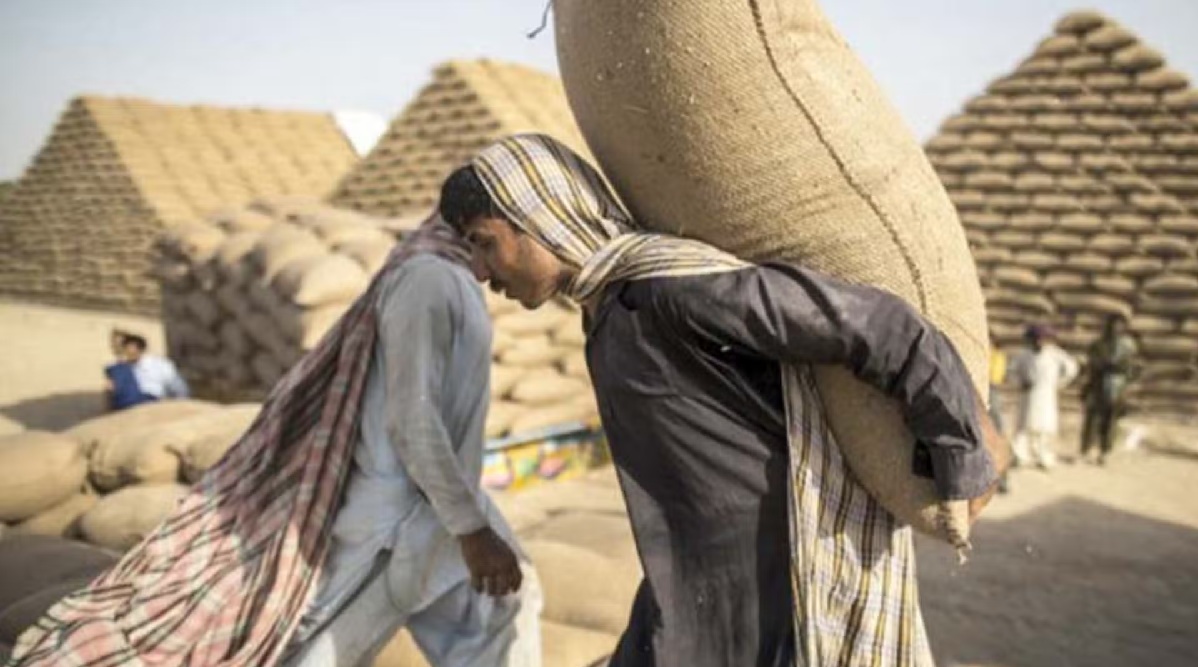
Pakistan’s national average wheat price has climbed to a 29-month high, with tightening domestic supplies and shortages in several markets pushing prices higher.
According to the latest market data, the average price of wheat reached around Rs. 4,611 per 40 kilograms on August 6, 2026. The increase comes as supplies become tighter in different parts of the country.
Wheat Prices Continue to Rise
The recent surge has raised concerns about the cost of wheat and wheat-based food products. Wheat is a key staple in Pakistan, meaning sustained increases in its price can eventually put additional pressure on household food budgets.
Market conditions have been affected by tightening supplies, with shortages reported in various markets. The latest increase has pushed the national average wheat rate to its highest level in more than two years.
Impact on Flour Prices
Higher wheat prices could also translate into increased flour prices if millers and retailers pass the additional costs on to consumers.
Flour is a major household staple in Pakistan, so any sustained increase could add to inflationary pressure, particularly for lower-income families.
READ MORE: Gold Price Jumps Rs. 29,000 in Just Four Days in Pakistan
Global Wheat Market Also Under Pressure
International wheat markets have also experienced upward pressure. The UN Food and Agriculture Organization reported that global wheat prices increased 5.8% in July, with disruptions to Black Sea exports and extreme weather affecting supplies and crop prospects.
However, Pakistan’s domestic wheat prices are also influenced by local supply conditions, market availability and government policies.
Consumers and Farmers Face Different Challenges
The increase presents a mixed situation for the agriculture sector. Higher market prices can potentially benefit farmers who have wheat available for sale, but consumers and flour producers face higher input costs.
If shortages continue, authorities may need to closely monitor supplies and market prices to prevent further pressure on essential food items.
For consumers, the latest wheat price increase is another development to watch as food costs remain a major component of household expenses in Pakistan.


