
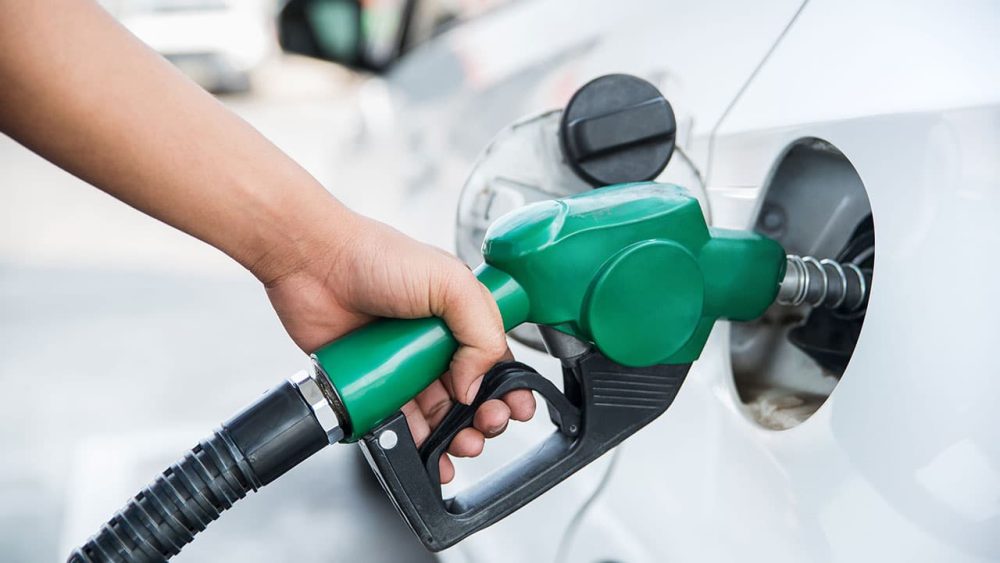
The federal government has reduced the petrol price in Pakistan by Rs. 2.93 per litre under the latest fuel-price revision, providing some relief to consumers facing elevated transportation and household expenses. The revised petrol price stands at Rs. 395.37 per litre, effective October 13, 2026.
However, the latest adjustment is not a reduction across all petroleum products. The government has increased the price of high-speed diesel (HSD) by Rs. 0.61 per litre, bringing its new rate to Rs. 396.85 per litre.
The latest revision comes amid continued volatility in international oil markets and changes in the cost of importing petroleum products. The government is using a daily fuel-price review mechanism to adjust domestic rates in response to changing market conditions.
New Petrol and Diesel Prices in Pakistan
Under the latest revision, petrol has become cheaper, while high-speed diesel has recorded a slight increase.
The revised rates are as follows:
| Petroleum product | Previous price | New price | Change |
|---|---|---|---|
| Petrol | Rs. 398.30 | Rs. 395.37 | -Rs. 2.93 |
| High-speed diesel | Rs. 396.24 | Rs. 396.85 | +Rs. 0.61 |
The petrol reduction means motorists will pay Rs. 2.93 less per litre at the revised rate. Diesel consumers, meanwhile, will face a small increase.
These rates reflect the revision announced for October 13, 2026. Consumers should check subsequent official notifications for any further changes.
Why Has the Petrol Price Decreased?
Changes in international petroleum markets remain a key factor influencing fuel prices in Pakistan.
The Oil and Gas Regulatory Authority (OGRA) considers several factors when assessing domestic fuel prices, including international product prices, premiums, incidental costs, and import costs.
According to the latest reported figures, the import cost of petrol declined from Rs. 287.52 to Rs. 284.59 per litre. This reduction contributed to the lower petrol price.
The average international refined petrol price over the seven-day assessment period also declined, falling to $132.17 per barrel from $133.48 per barrel on October 10.
These changes helped support the latest reduction in the domestic petrol rate.
However, local fuel prices do not depend exclusively on crude oil prices. Refining costs, import premiums, transportation expenses, government levies, and other components can also influence the final price paid by consumers.
READ MORE: Redmi Note 17 Pro Gets a Refreshed Edition, but Few Things Have Changed
Why Has Diesel Become More Expensive?
While petrol prices declined, high-speed diesel became slightly more expensive under the latest adjustment.
The reported import cost of diesel increased from Rs. 288.68 to Rs. 289.29 per litre. The average refined diesel price also rose during the relevant assessment period.
These increases contributed to the Rs. 0.61 per litre adjustment in the domestic diesel price.
Diesel is widely used in freight transportation, agricultural machinery, buses, trucks, and other commercial vehicles. Changes in its price can therefore affect operating costs across several sectors.
If diesel prices remain elevated, transport operators and businesses may face additional expenses. The extent to which these costs affect consumers depends on factors such as competition, demand, and the operating costs of individual businesses.
Government Continues Daily Fuel-Price Reviews
Pakistan has adopted a daily fuel-price review mechanism amid volatility in international petroleum markets.
Under this approach, domestic rates can be adjusted more frequently in response to changes in international prices and related import costs.
The system is intended to allow changes in the international market to be reflected more quickly in local fuel prices.
However, daily reviews do not guarantee that prices will always decrease. Domestic rates can move in either direction, depending on the costs and market conditions considered during each review.
The latest adjustment illustrates this distinction: petrol became cheaper, while diesel became more expensive.
Consumers should therefore follow official announcements rather than assume that a decline in one petroleum product will lead to reductions across the entire fuel market.
How the Petrol Price Reduction Affects Consumers
The Rs. 2.93 per litre reduction provides a modest saving for petrol users.
For example, a consumer purchasing 20 litres of petrol would pay Rs. 58.60 less at the new rate than at the previous rate.
The savings depend on the quantity purchased and the price charged under the applicable official notification.
| Petrol purchased | Saving at Rs. 2.93 per litre |
|---|---|
| 10 litres | Rs. 29.30 |
| 20 litres | Rs. 58.60 |
| 30 litres | Rs. 87.90 |
| 50 litres | Rs. 146.50 |
Although the reduction is relatively small, it offers some relief to motorists and households that rely on petrol-powered vehicles for daily travel.
The broader effect on household budgets will depend on future fuel-price movements and other transportation costs.
Will Transport Fares and Commodity Prices Decrease?
A reduction in petrol prices can lower some transportation expenses, but it does not automatically lead to immediate reductions in public transport fares or commodity prices.
Transport costs depend on several factors, including fuel consumption, vehicle maintenance, wages, route expenses, and prevailing fare arrangements.
Similarly, the prices of food and other essential goods are influenced by production costs, storage, distribution, market demand, and supply conditions.
Diesel is particularly important for freight transportation and agricultural activities. Since its price increased in the latest revision, some businesses may continue to face pressure from diesel-related operating costs.
Any changes in fares or retail prices will depend on how businesses respond to the overall movement in their expenses and whether relevant authorities revise regulated rates.
What Should Consumers Expect Next?
Future petrol and diesel prices will depend on international petroleum markets, import costs, and subsequent government decisions.
If international refined fuel prices and related costs decline, there may be room for further reductions. However, increases in global prices or import expenses could place upward pressure on domestic rates.
The daily review mechanism allows the government to respond more frequently to these developments, but the direction and size of future adjustments cannot be determined from the latest revision alone.
Motorists should check official fuel-price announcements before relying on a particular rate for future purchases.
Conclusion
Pakistan has reduced the petrol price by Rs. 2.93 per litre to Rs. 395.37, effective October 13, 2026. At the same time, high-speed diesel has increased by Rs. 0.61 to Rs. 396.85 per litre.
The adjustments reflect changes in international refined fuel prices and import costs under the government’s daily review mechanism.
While the petrol reduction offers modest relief to motorists, the increase in diesel may continue to affect transportation and commercial operating expenses.
Consumers will need to monitor subsequent official announcements to see whether further changes bring additional relief or increase the cost of fuel in Pakistan.


