The United States has launched a third consecutive round of military strikes against Iranian targets, further escalating tensions in the Middle East as two oil tankers were reportedly attacked while transiting the strategically vital Strait of Hormuz. The latest developments have heightened fears of a wider regional conflict and renewed concerns over global energy supplies.
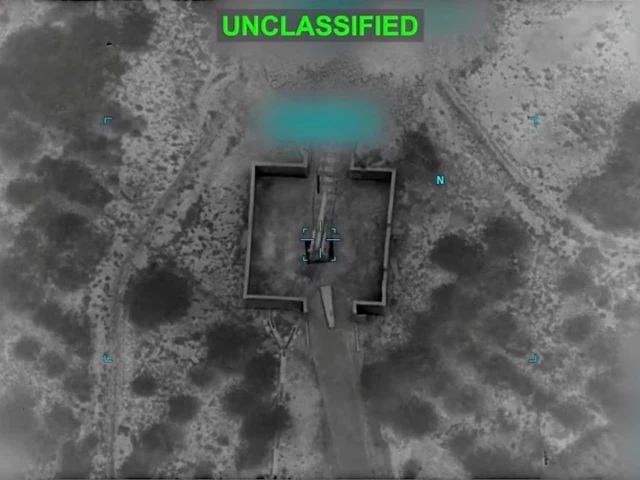
According to U.S. officials, the overnight strikes targeted Iranian air defense systems, coastal radar installations, missile launch sites, and naval assets believed to be involved in threatening international shipping. Washington said the operation was aimed at protecting maritime security and ensuring freedom of navigation through one of the world’s busiest oil transit routes.
Meanwhile, Iranian attacks reportedly struck two commercial oil tankers in the Strait of Hormuz, adding to growing risks for global shipping. The attacks have prompted several shipping companies to reassess their routes as security concerns continue to rise across the Gulf. Maritime traffic through the strait has reportedly declined significantly amid the escalating conflict.
READ MORE: Iran Expands Strikes Across Gulf After U.S. Attacks, Declares Strait of Hormuz Closed
The renewed hostilities follow a series of Iranian missile and drone attacks targeting U.S. military facilities in Bahrain, Kuwait, Oman, and other Gulf states. Iran has described its actions as retaliation for continued American military operations, while the United States has vowed to maintain pressure until threats to regional security are neutralized.
The ongoing confrontation has already impacted international financial markets, with crude oil prices climbing sharply over fears of prolonged disruptions to energy supplies. Global leaders and the United Nations have called for immediate de-escalation, warning that continued military action could destabilize the region and further disrupt international trade.