
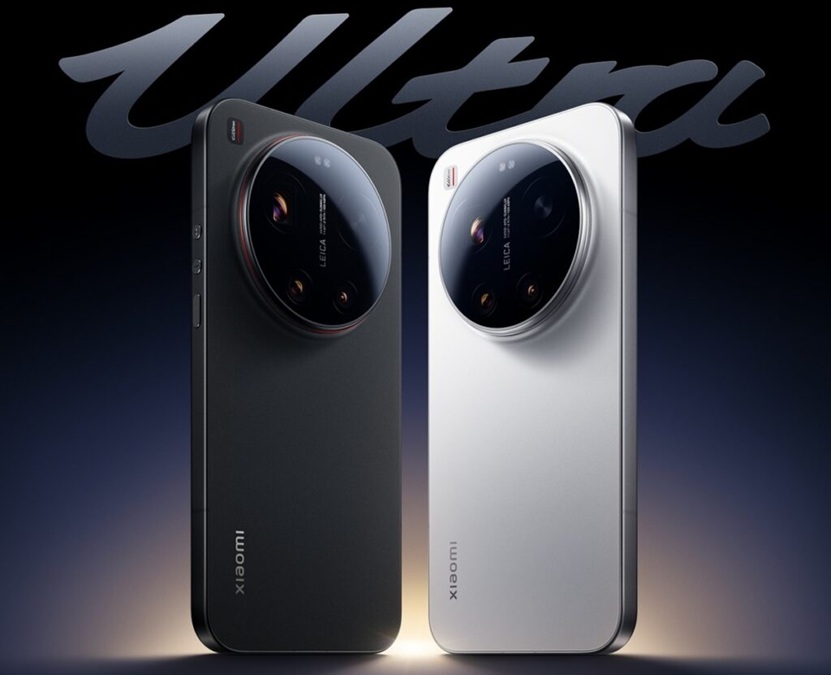
A major shake-up could be coming to the premium smartphone market, with a new leak claiming that Xiaomi may cancel the Xiaomi 18 Ultra, while Oppo and Vivo could restrict their upcoming Ultra-branded flagships to China.
The claims come from tipster Kartikey Singh, who says rising memory component costs are forcing Chinese smartphone manufacturers to reconsider their flagship strategies. None of the three companies has officially confirmed these changes, so the information should be treated as an early leak rather than a confirmed product roadmap.
Xiaomi 18 Ultra Could Be Dropped
According to the leak, Xiaomi has reportedly decided not to launch the Xiaomi 18 Ultra as part of its next flagship lineup.
If accurate, Xiaomi’s 2026 flagship family could instead consist of the Xiaomi 18, Xiaomi 18 Pro and Xiaomi 18 Pro Max, with the Pro Max potentially becoming the most powerful model in the series.
Earlier reports have linked the possible cancellation to sharply increasing DRAM and NAND memory prices. Higher component costs, driven partly by demand from the artificial intelligence industry, could make it increasingly expensive for manufacturers to build phones with top-tier hardware.
Xiaomi Could Bring Back the Ultra Brand Later
The cancellation may not mean the permanent end of Xiaomi’s Ultra smartphones.
The company is reportedly expected to revive the Ultra branding with the Xiaomi 19 Ultra, potentially arriving in late 2027 or early 2028 when component prices are expected to become more manageable.
Until then, the Xiaomi 18 Pro Max could take over the position previously occupied by the Ultra model at the top of Xiaomi’s flagship range.
Oppo and Vivo May Also Restrict Ultra Phones to China
The reported changes may extend beyond Xiaomi.
The same leak claims that Oppo Find X10 Ultra and Vivo X500 Ultra could remain exclusive to the Chinese market when they launch during the first half of 2027.
This would represent a notable change from their current-generation counterparts. The Oppo Find X9 Ultra and Vivo X300 Ultra have reportedly reached international markets, but their successors may not receive the same global rollout.
Also Read:
Xiaomi 18 Ultra Reportedly Cancelled Due to Rising Memory Costs
However, Oppo and Vivo have not confirmed the alleged China-only strategy.
Rising Memory Costs Could Change Flagship Strategies
The smartphone industry is facing increased component costs as AI-related demand puts pressure on memory supply.
Ultra-tier smartphones typically combine expensive processors, advanced camera systems, large storage configurations and premium displays. According to the report, adding these components while keeping prices competitive could become increasingly difficult for manufacturers.
This could encourage companies to simplify their flagship portfolios or move the most expensive models to selected markets rather than offering them globally.
Samsung Could Be the Only Global Ultra Flagship
If the reported changes become reality, Samsung could gain a unique position in the global premium smartphone market.
The leak suggests that the Galaxy S27 Ultra could potentially become the only major Ultra-branded flagship widely available outside China, while Xiaomi, Oppo and Vivo increasingly use the Pro Max branding for their highest-end global models.
That could create an interesting shift in the flagship smartphone market, particularly for consumers who prefer the Ultra format and advanced camera-focused devices.
Leak Should Be Treated With Caution
For now, the reported cancellation of the Xiaomi 18 Ultra and the possible China-only strategy for Oppo and Vivo remain unconfirmed claims.
Xiaomi, Oppo and Vivo have yet to officially announce their 2027 flagship lineups. Product plans can also change considerably before launch, meaning the final models and their availability could differ from current leaks.
Still, if the information proves accurate, rising component costs could mark a significant change in how Chinese smartphone brands design and distribute their most expensive flagship phones.


