For the first time in weeks, the oil market exhaled a little. Brent crude slipped 1.1% to $96.92 a barrel on Thursday, while US benchmark WTI dropped 1.4% to $89.18 both benchmarks pulling back after a sharp run-up that had pushed Brent to a roughly 14% monthly gain in September, its biggest jump since July.
So what changed? Mostly, the supply picture stopped looking quite so frightening.
Gulf Shipments Are Flowing Again
Saudi Arabia resumed oil tanker loadings out of Yanbu this week, picking back up after restarting operations on its East-West Pipeline — the route that lets Saudi crude bypass the Strait of Hormuz entirely when tensions in the strait make shippers nervous. That matters because Goldman Sachs now estimates total Gulf oil exports, including so-called “dark exports” from tankers running with their tracking transponders switched off, have climbed back to roughly 23.3 million barrels a day over the past week essentially back in line with where they sat on average throughout 2025. Goldman’s note also pointed out exports effectively doubled over the course of September alone, which gives a sense of just how sharply things had fallen before this recovery began.
Add to that an unexpected build in US crude stockpiles inventories rose by 922,000 barrels to 427.3 million for the week ending September 25, catching traders off guard who’d actually been bracing for a drawdown of around 264,000 barrels and you get a market where supply suddenly looks less tight than it did a month ago.
Aslo Read:
Why Petrol Prices in Pakistan Don’t Fall as Quickly as Global Oil Prices
“Oil’s near-term bias remains negative,” said Sugandha Sachdeva, founder of New Delhi-based research firm SS WealthStreet, pointing to the combination of recovering Gulf shipments, the Yanbu restart, and swelling US inventories as the key pressure points pulling prices lower.
The Diplomacy Wildcard
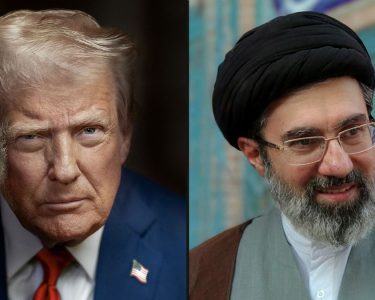
Running alongside the supply story is a quieter, more consequential one: Washington and Tehran appear to be talking again. Iran confirmed on Wednesday that it had received a US response to its latest proposal aimed at reviving the collapsed Gulf ceasefire a potentially significant step after months of the conflict keeping traders on edge.
President Trump, for his part, pushed back hard against reports from Axios and CNN claiming he was prepared to ease sanctions on Iran and unfreeze Iranian assets in exchange for concrete nuclear concessions, denying those characterizations outright. That denial matters for how markets read the situation it suggests any eventual deal, if one materializes, is still a long way from settled, and traders shouldn’t assume a sanctions-relief breakthrough is imminent.
Sachdeva summed up the market’s cautious read on it well: renewed engagement between the two countries could chip away at the geopolitical risk premium baked into oil prices, but nobody’s calling an actual breakthrough likely yet.
What Happens Next
The next data point to watch lands this weekend. OPEC+ producers are expected to meet Sunday, and two people familiar with the discussions told Reuters the group is likely to leave production targets unchanged for November effectively choosing to let the market digest the recent swings rather than adding another variable to the mix.
Put together, it’s a market cautiously testing whether the worst of this year’s Gulf supply scare is actually behind it not popping champagne, but no longer holding its breath either.