
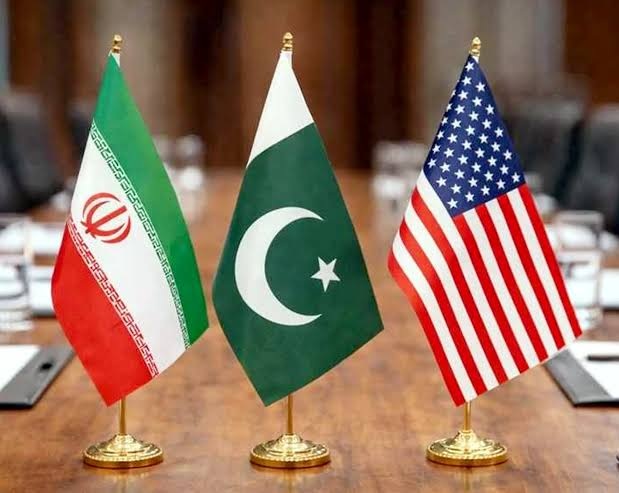
Pakistan is continuing diplomatic efforts to revive negotiations between Iran and the United States, but Tehran’s latest statements indicate that major differences remain unresolved.
Field Marshal Asim Munir, Pakistan’s chief of defence forces and army chief, met Iranian President Masoud Pezeshkian and other senior officials during a visit to Tehran on October 20. The discussions focused on regional developments, bilateral relations and efforts to restart stalled US–Iran diplomacy.
According to Reuters, Iranian officials told Munir that Washington must meet Tehran’s demands before negotiations can progress. The conditions reportedly include ending the US blockade on Iranian ports, lifting restrictions on Iran’s oil exports and ending hostilities across regional fronts.
Iranian Parliament Speaker Mohammad Bagher Ghalibaf said Washington could not regain Tehran’s trust without fulfilling the conditions Iran had previously presented. Mohsen Rezaei, a senior Iranian security official, also reiterated Tehran’s position on retaining its enriched nuclear material inside the country.
The statements underline the challenges facing Pakistan’s mediation efforts as Washington and Tehran remain divided over sanctions, regional security, the Strait of Hormuz and Iran’s nuclear programme.
Iran says indirect contacts are continuing
Despite the impasse, Iranian Foreign Minister Abbas Araghchi has said that indirect negotiations with the United States through mediators, including Pakistan and Qatar, are continuing.
According to a report published by Arab News Pakistan on October 21, Araghchi said Iran had presented a seven-day proposal and claimed that Washington had agreed to its conditions while seeking additional clauses. This account reflects the Iranian foreign minister’s description of the discussions; it does not establish that both governments have reached a final agreement.
The differing statements suggest that communication through intermediaries may continue even as the two sides remain far apart on the terms required for formal progress.
READ MORE: Army Chief Syed Asim Munir Visits Iran Amid US-Iran Tensions
Pakistan’s role in the diplomatic process
Pakistan has sought to use its relations with both countries to reduce tensions and encourage a negotiated settlement. Earlier mediation efforts resulted in an agreement in June, but the arrangement subsequently unravelled as disagreements and renewed hostilities undermined the process.
Pakistan’s latest engagement with Tehran reflects Islamabad’s continuing interest in preventing further regional escalation. Any renewed conflict could have consequences for energy markets, maritime trade and the wider security environment affecting Pakistan.
However, no breakthrough or new agreement was announced following Munir’s October 20 meetings. At the time of the initial reporting, Pakistan’s Foreign Office and Inter-Services Public Relations had not issued a detailed official account of the meetings’ outcome.
Key obstacles remain
The main points of disagreement include the sequence of steps needed to reduce hostilities, the future of sanctions on Iran, security arrangements around the Strait of Hormuz and the handling of Iran’s enriched nuclear material.
Washington has also insisted that Iran address concerns over its nuclear activities. Tehran denies seeking nuclear weapons and maintains that its demands must be addressed before it makes further concessions.
Whether Pakistan and other intermediaries can narrow these differences remains uncertain. Further statements from the US government, Iran’s Foreign Ministry and Pakistan’s Foreign Office will be important in determining whether the diplomatic process is making tangible progress.
NetMag assessment: Diplomatic contacts are continuing, but the available reporting does not establish that a new peace deal has been reached or that formal negotiations are about to resume.


